
Apparel Manufacturing
Basic T-Shirts From Bangladesh Knitwear Supplier
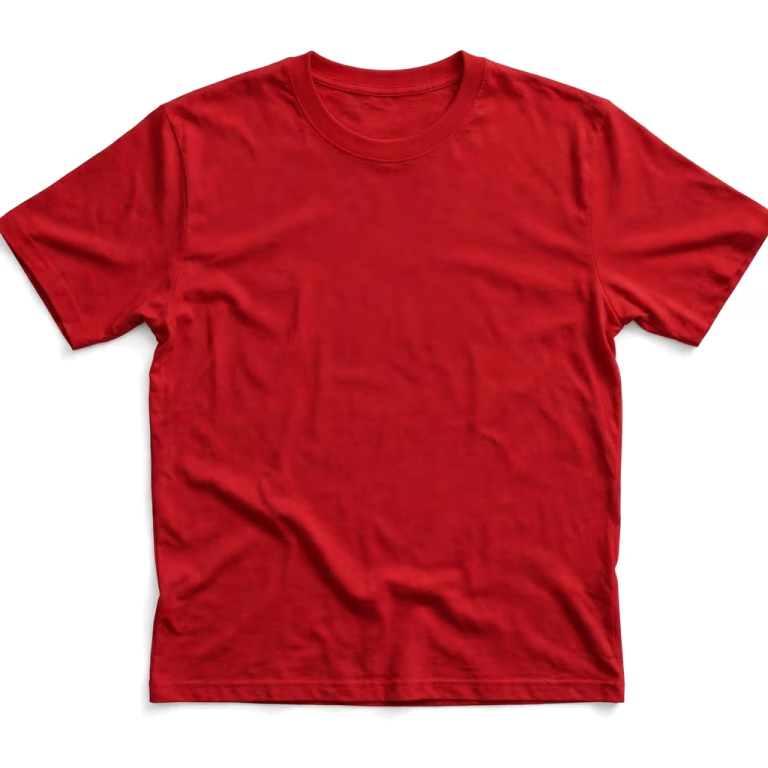
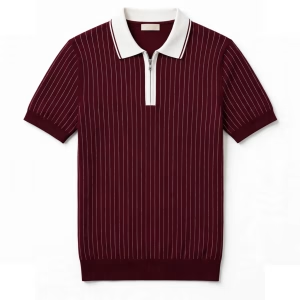
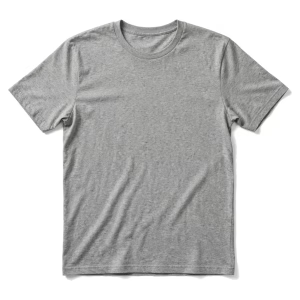
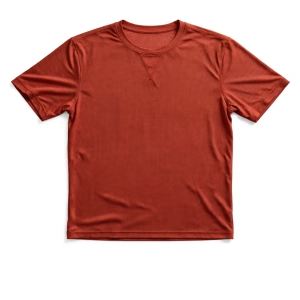
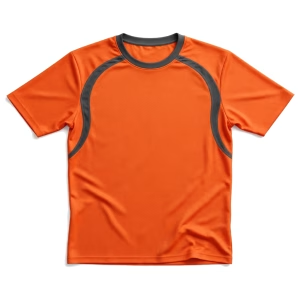
A basic t-shirt looks simple, and that is exactly why it is hard to make well. There is no print, no panel and no trim to hide behind: the jersey, the collar and the seams carry the whole garment. As a knitwear supplier making basic t-shirts in Bangladesh, we knit the fabric ourselves, so the shirt starts under our control at the yarn stage and stays there through cutting, sewing and packing. The red basic shown here is the plain crew neck we supply to basics ranges, uniform programs and print buyers who need one honest shirt they can reorder for years.
Materials: Cotton single jersey knitted in our own knitwear unit, with a tight even stitch, a clean smooth face and controlled shrinkage, in a red that holds its tone from the first carton to the last.
Functionality: A ribbed crew collar that sits flat and keeps its shape, shoulder tape that stops the neckline stretching out, and a straight body that folds, stacks and prints without twisting.
Size: Adult sizes from S to XXL in a regular fit, graded steadily across the run. Send your own size chart if your market measures differently and the order is cut to it.
Customization: Your woven neck label sewn in during production, your choice of polybag or band packing, and carton markings applied to your standard before the goods leave the factory.
Simply The Best
PORTFOLIOS
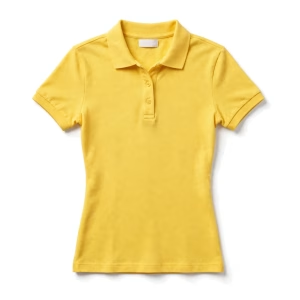
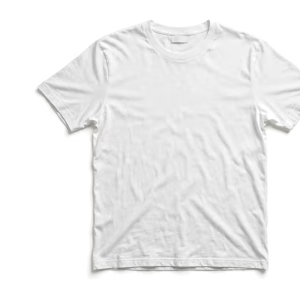
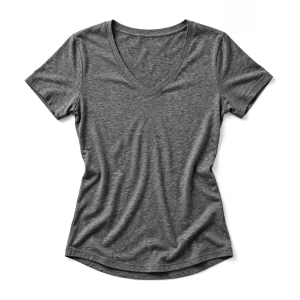
Blank T-Shirts · Art.12779
Leading Blank T-Shirts Manufacturers In Bangladesh Elevate Your Style
Get Price
Product Details
Basic T-Shirts From Bangladesh Knitwear Supplier
Why a Basic Tee Is a Knitwear Product First
Buyers sometimes talk about basic t-shirts as if they were a sewing job with fabric bought in. In a knitwear factory the order runs the other way: the shirt is decided at the knitting machine. Yarn count, stitch length and machine gauge set the weight, the hand feel and the way the finished tee drapes, long before a pair of scissors touches it. Because we knit our own jersey, a basic t-shirts supplier program here starts with the fabric specification written into the order file, and the same recipe is used every time the style is repeated. That is what makes a basic shirt re-orderable: not a photograph of the last batch, but the knitting record behind it.
The Details That Separate a Good Basic From a Weak One
Three things give a poor basic away. The collar goes loose and wavy after a few washes because the rib was knitted too light or sewn without care. The body twists after washing because the fabric was not rested and shrunk under control, so the side seams wander around the torso. And the colour drifts between batches because the dye recipe was never fixed. Our basics are built against those three failures: a collar rib with real recovery, fabric rested and shrinkage-controlled before cutting, and a dye standard held in the order file so the red you approved is the red that arrives in the repeat order as well.
One Shirt, Many Programs
The plain crew neck is the hardest-working style in the trade. Retailers build basics ranges on it, companies dress whole workforces in it, printers decorate it, and charities and campaigns hand it out by the thousand. Each of those buyers asks the same thing of the garment: look plain, feel decent, wash properly and cost what a volume garment should cost. A single fixed specification lets us serve all of them from the same line, with only the label, the packing and the colour changing between orders.
Retail Basics Ranges
Shops that sell plain tees under their own label need the range to look identical on the rail month after month. The fixed knit recipe and dye standard are what keep a reorder indistinguishable from the first delivery.
Workforce and Uniform Dressing
A plain red tee with a chest print or embroidery is standard dress for event crews, warehouse teams and hospitality staff. The regular fit grades across a whole workforce, and the collar holds its shape through industrial washing better than a fashion collar would.
Printers and Merch Sellers
The smooth, even face of the jersey is what a printer actually buys: screens print cleanly on it, transfers sit flat, and the body stays square on the press because the seams were sewn true.
Campaigns, Events and Giveaways
Volume orders for a fixed date need a factory that knits its own fabric, because the fabric stage is where schedules usually slip. Running the yarn-to-carton chain under one roof keeps a campaign date realistic, and the packing can be split by size, colour or delivery address before the cartons are sealed.
Red First, Then the Colour Card
The lead colour on this page is a clear, level red, chosen because it shows the fabric honestly: melange effects and dye faults hide in dark shades, but a bright solid shows everything, including how even the knitting is. From that base the same basic is made across a working colour card for basics programs: whites and greys for printing, brights for campaigns, deep tones for uniforms. What never appears in our colour work is a shade we cannot repeat, because a basics program lives on repeats. If your range needs a colour matched to a swatch, send the swatch and the dye house works to it before bulk knitting starts.
How a Basics Order Moves Through the Factory
An order starts with sizes, quantities per size and colours. We confirm the fabric weight and the size chart, knit or draw the jersey to the recipe in the order file, rest it, cut it and sew it with your label in the neck. Every batch is checked for measurements, shade and stitching before folding and packing, and cartons are marked the way your warehouse asked for at the start. Because the knitting, sewing and packing sit in one knitwear unit, a question about your order is answered by the people actually running it, not passed along a chain of agents.
Supplying Basic T-Shirts From Bangladesh to Your Market
We export basic t-shirts from Bangladesh to buyers in the USA, the UK, Germany, Canada and the UAE: basics labels restocking core ranges, uniform suppliers dressing crews, and printers keeping their shelves full. If you are comparing a Bangladesh knitwear supplier for a basics program, send us your size run, your colours and a rough quantity, and we will answer with a specification and a quotation you can test against the shirts themselves when they arrive.
Questions Buyers Ask About Basic T-Shirts
What makes one basic t-shirt better than another?
The fabric recipe, the collar and the shrinkage control. A basic has nowhere to hide, so a tight even knit, a rib collar with recovery and fabric that was rested before cutting are the difference between a shirt that lasts and one that twists and sags.
Can the same basic be repeated exactly on a reorder?
Yes. The yarn, stitch, dye recipe and size grading are recorded in the order file, and our own knitting unit runs the repeat to that record, so the new batch matches the approved one.
Do you knit the fabric yourselves or buy it in?
We knit it. Running our own knitwear machines means the fabric weight and hand feel are set by us for each program, and the schedule does not depend on an outside fabric mill.
Can basics be packed under our own label and carton standard?
They can. Your woven label is sewn in during production, and your polybag, band or box packing and carton markings are applied in the factory, so the goods arrive ready for your shelves or your print table.