
Apparel Manufacturing
Mens Classic Polo Shirt Exporter Bangladesh
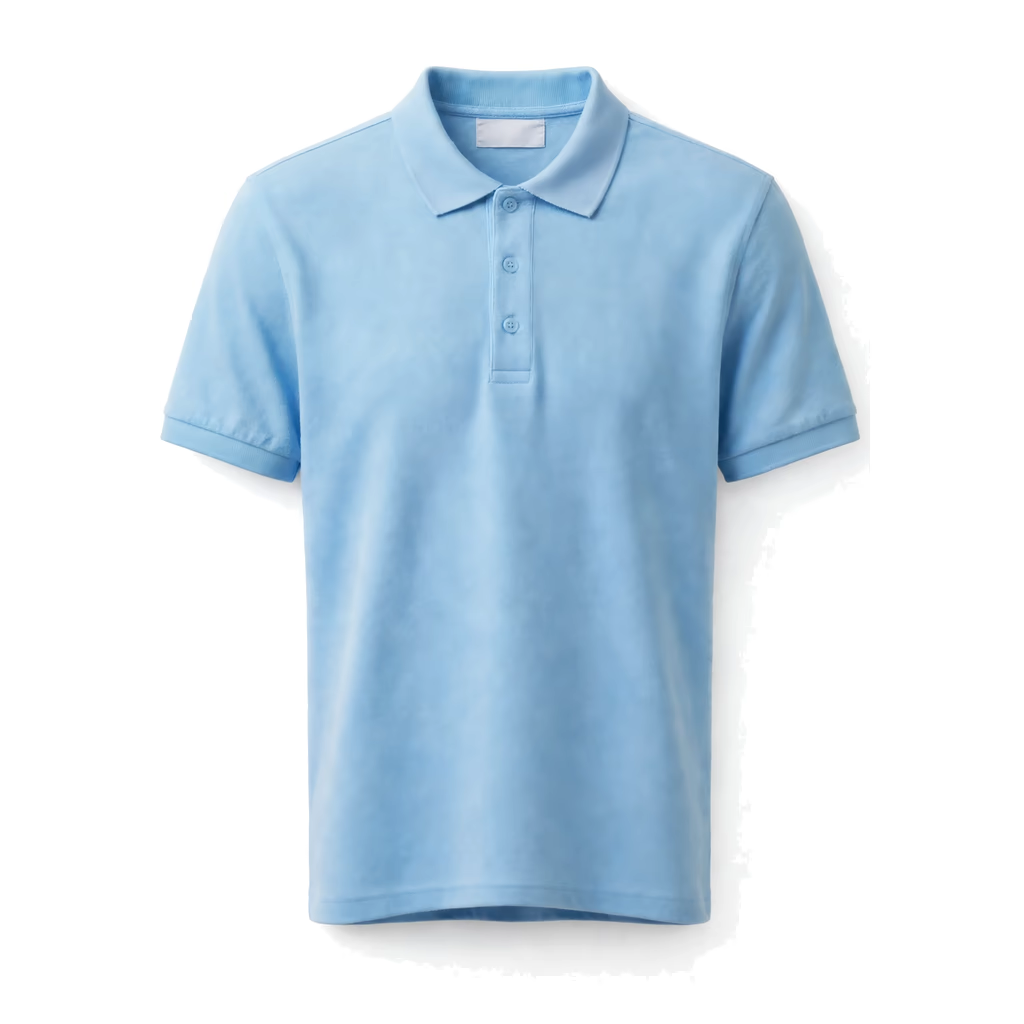
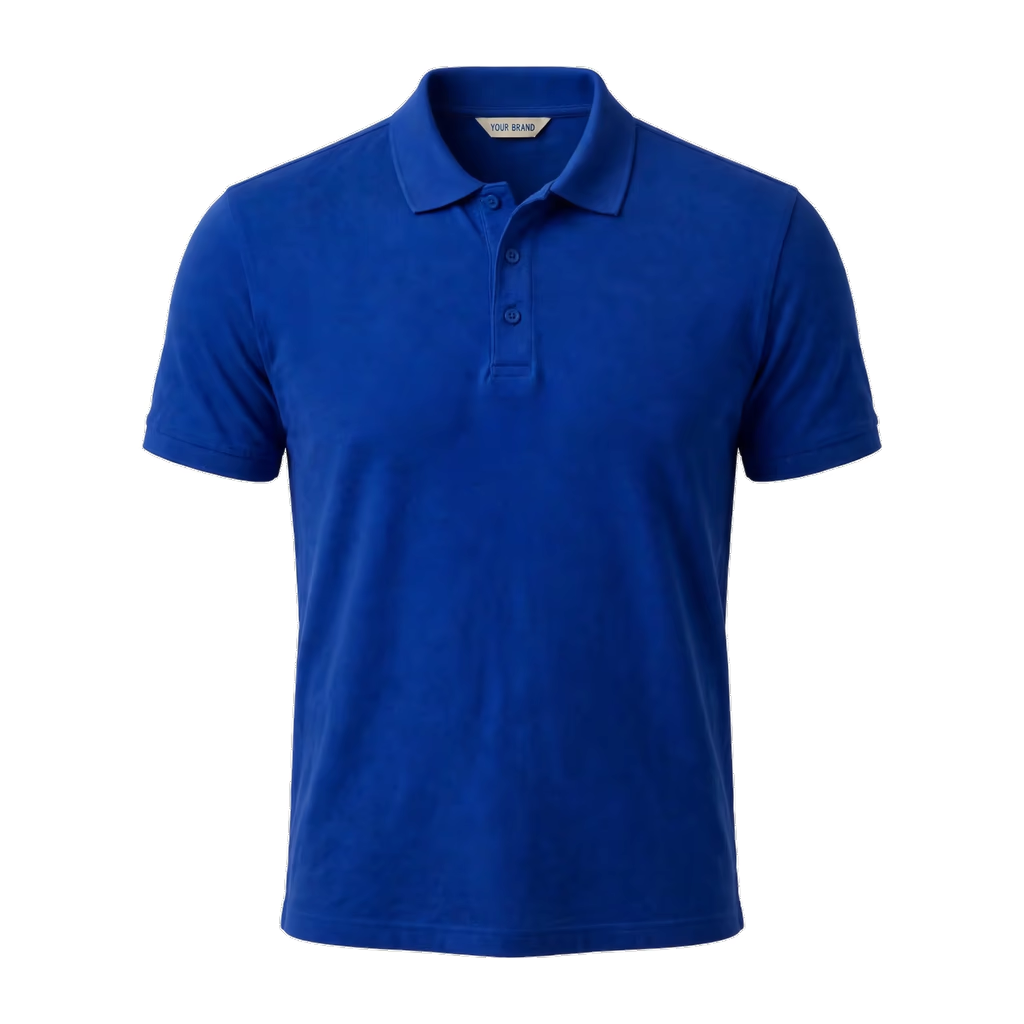
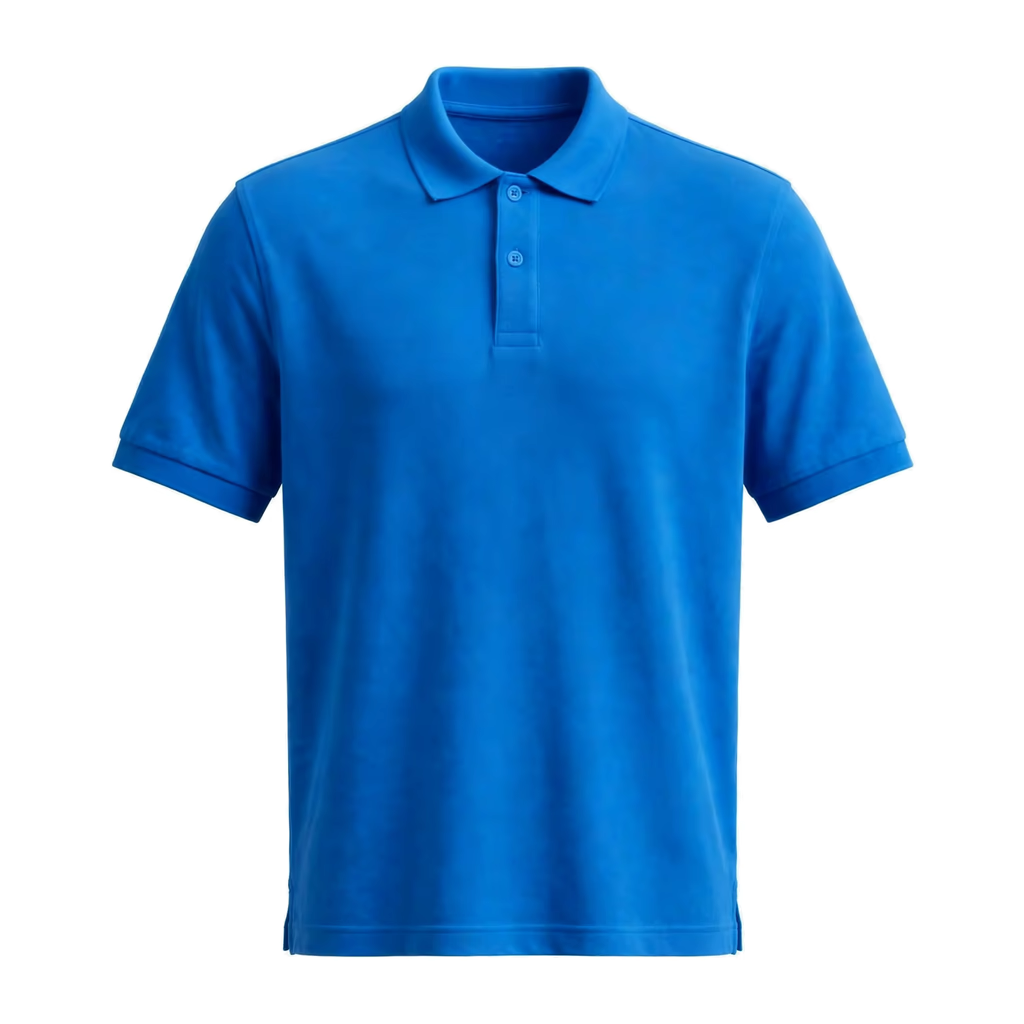
This men's classic polo is exported from our Bangladesh factory in five standing colours - light blue, maroon, yellow, navy and olive green. The cut is the timeless one: a three-button placket, a ribbed collar, a plain chest and a straight body that suits every market we ship to.
Materials: Cotton pique knit with a smooth, even face, in light, standard and heavy weights matched to the destination market and season.
Functionality: A three-button placket with toned buttons, a ribbed collar that lies flat, side vents at the hem, and a chest kept plain for your mark or clean without one.
Size: Men's sizes from S to XXXL, graded on standard adult measurements, with market size charts followed where a buyer files their own.
Customization: Your label and tags, your logo embroidered or printed, export packing and carton marking to your market's format.
Simply The Best
PORTFOLIOS
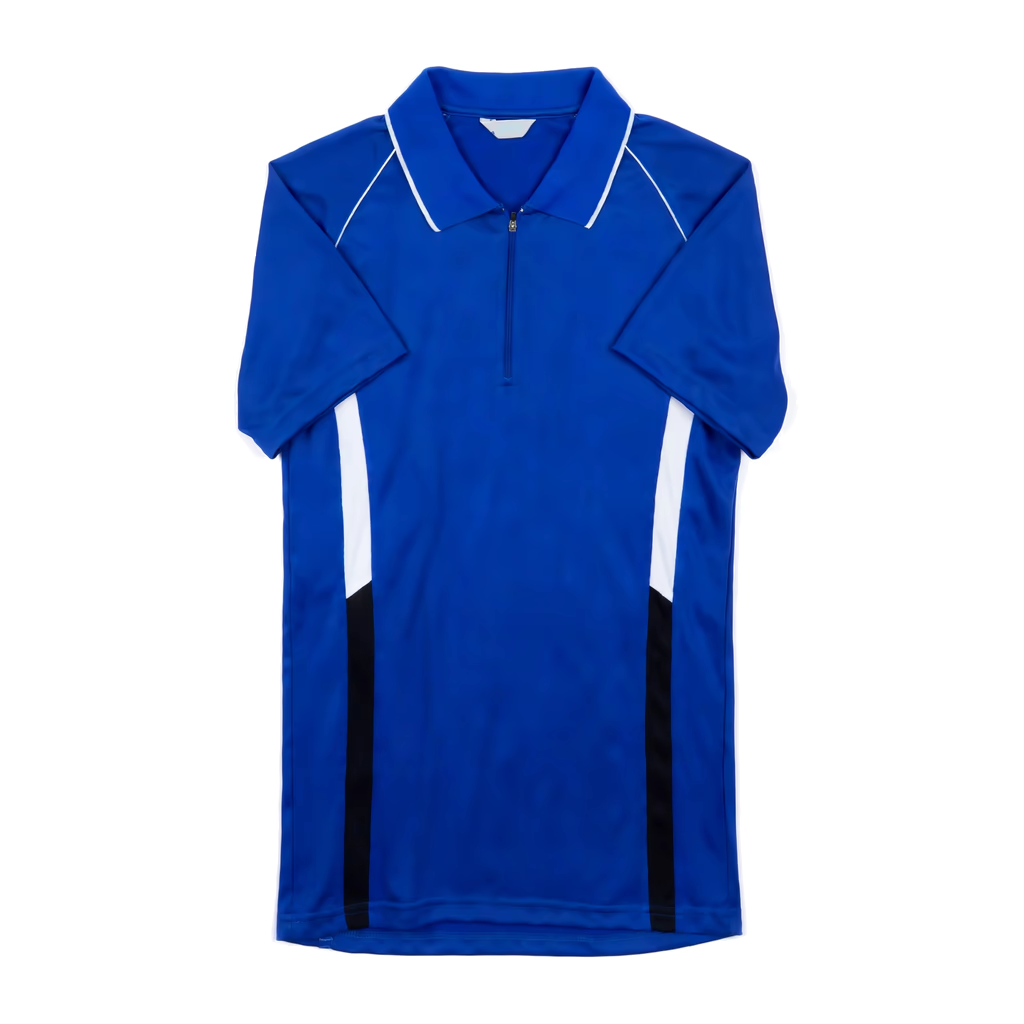
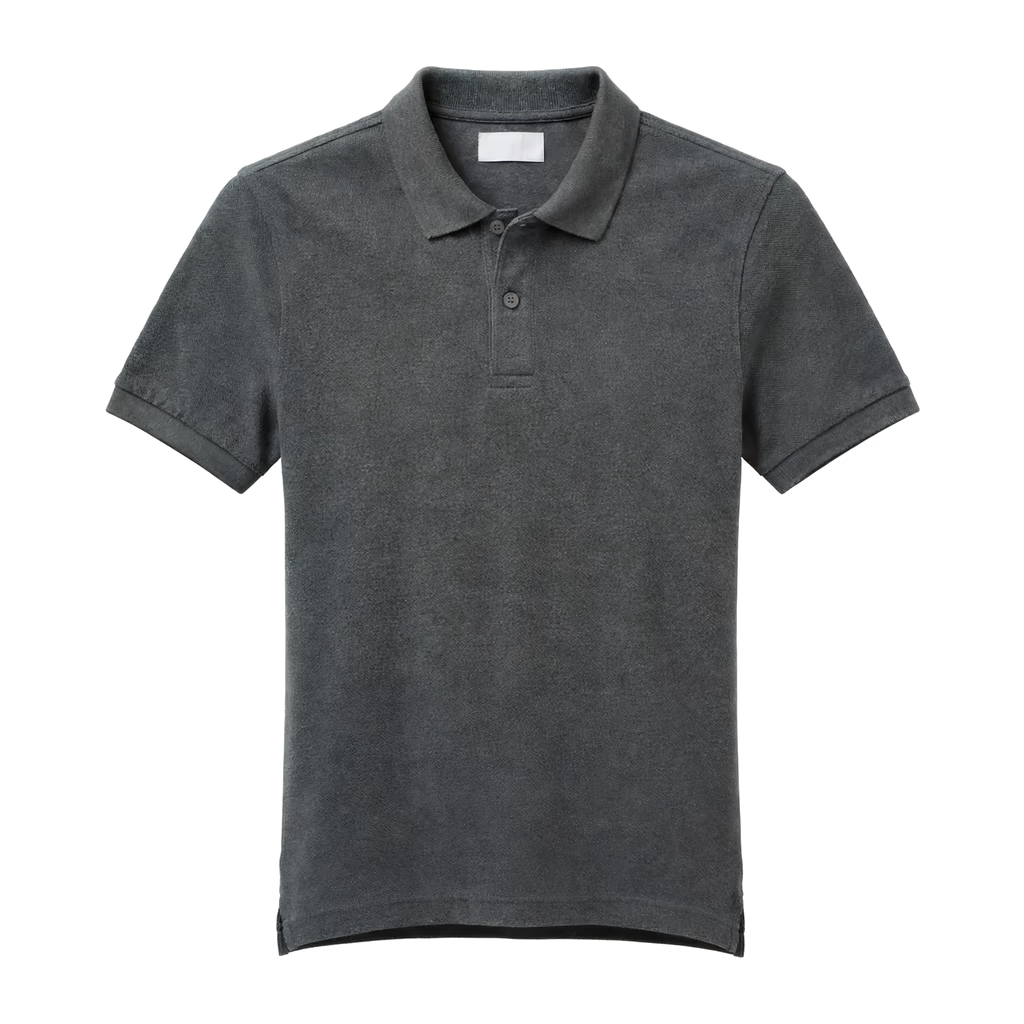
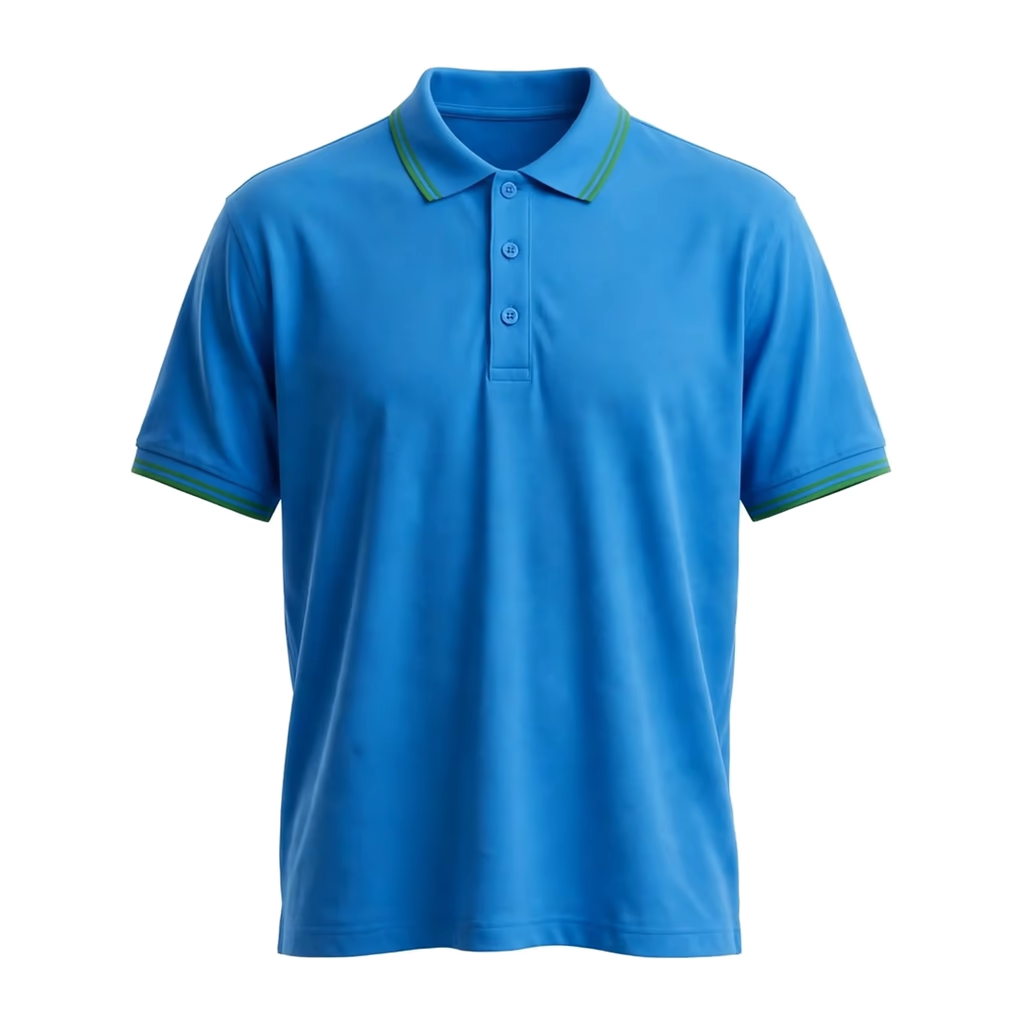
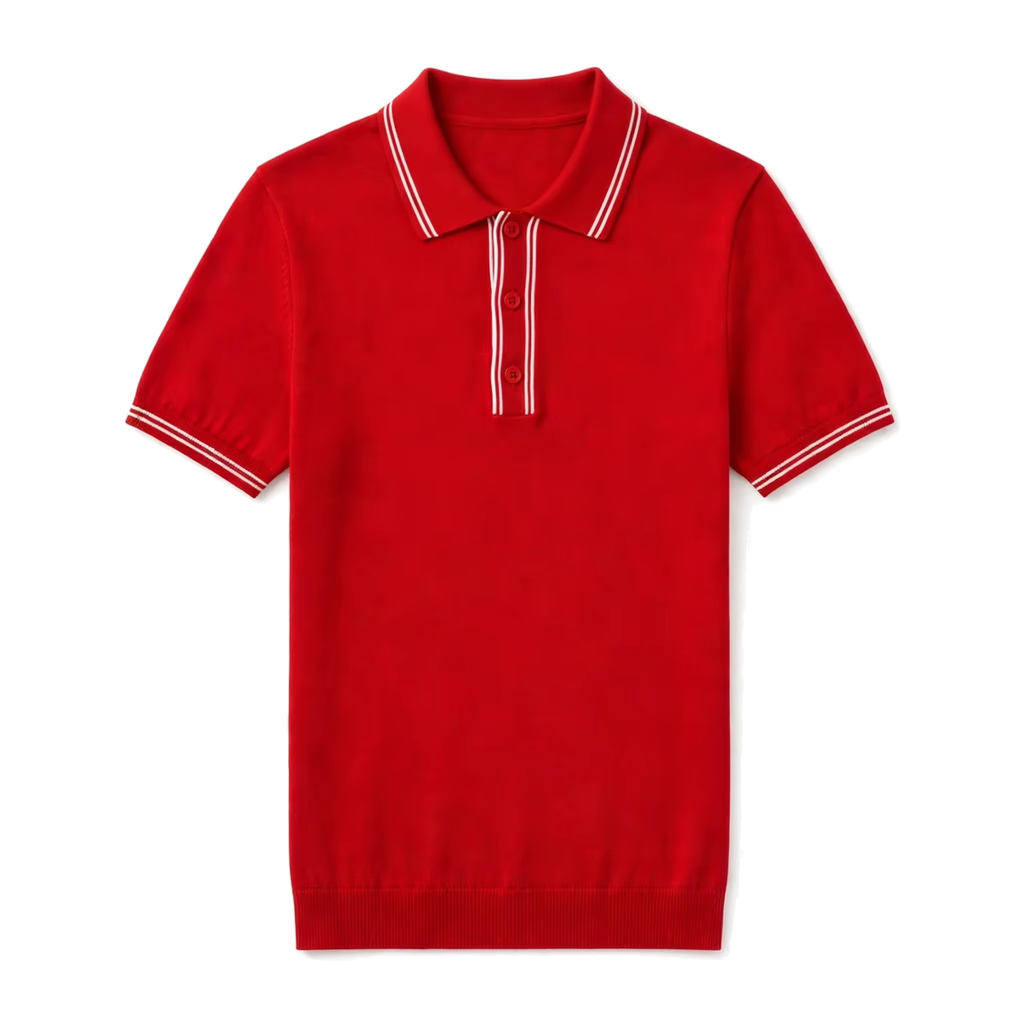
Product Details
Mens Classic Polo Shirt Exporter Bangladesh
The Classic Polo, Made for Export Markets
An export classic has one job: to be the same correct shirt in every carton, in every market, on every reorder. This is that shirt. Light blue, maroon, yellow, navy and olive green form the standing colour set, the placket carries three buttons, and the chest is plain. We make and export this polo from our Bangladesh factory to buyers on four continents, and the standards behind it - filed measurements, shade cards, packing formats - are what make a five-colour programme like this simple to run.
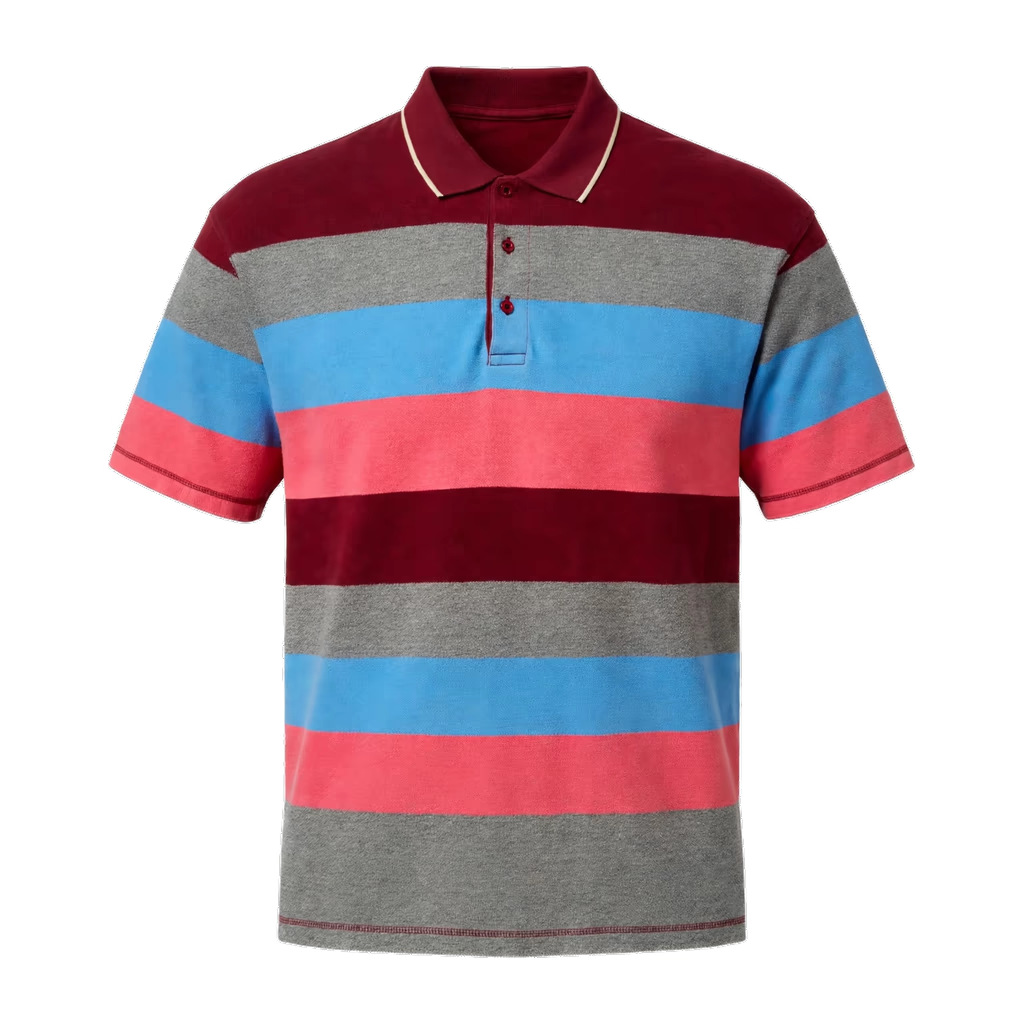
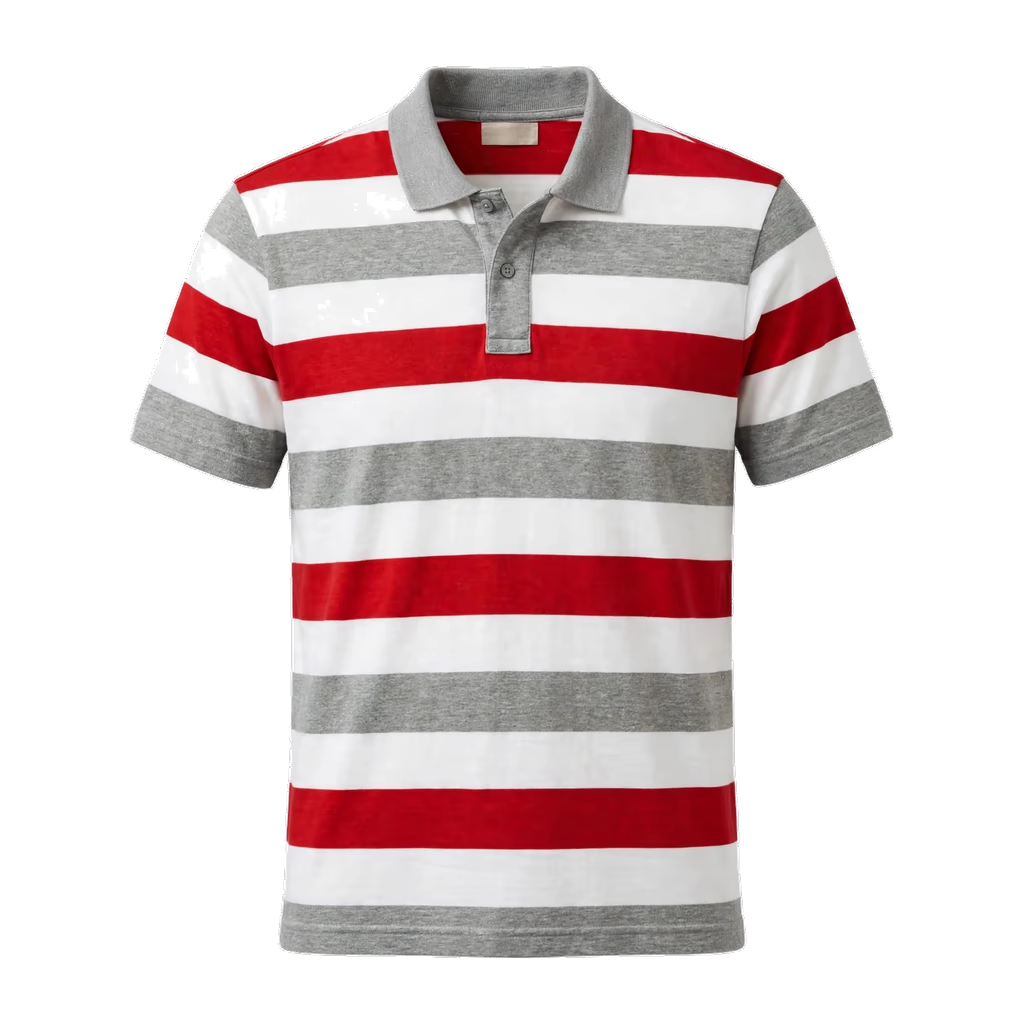
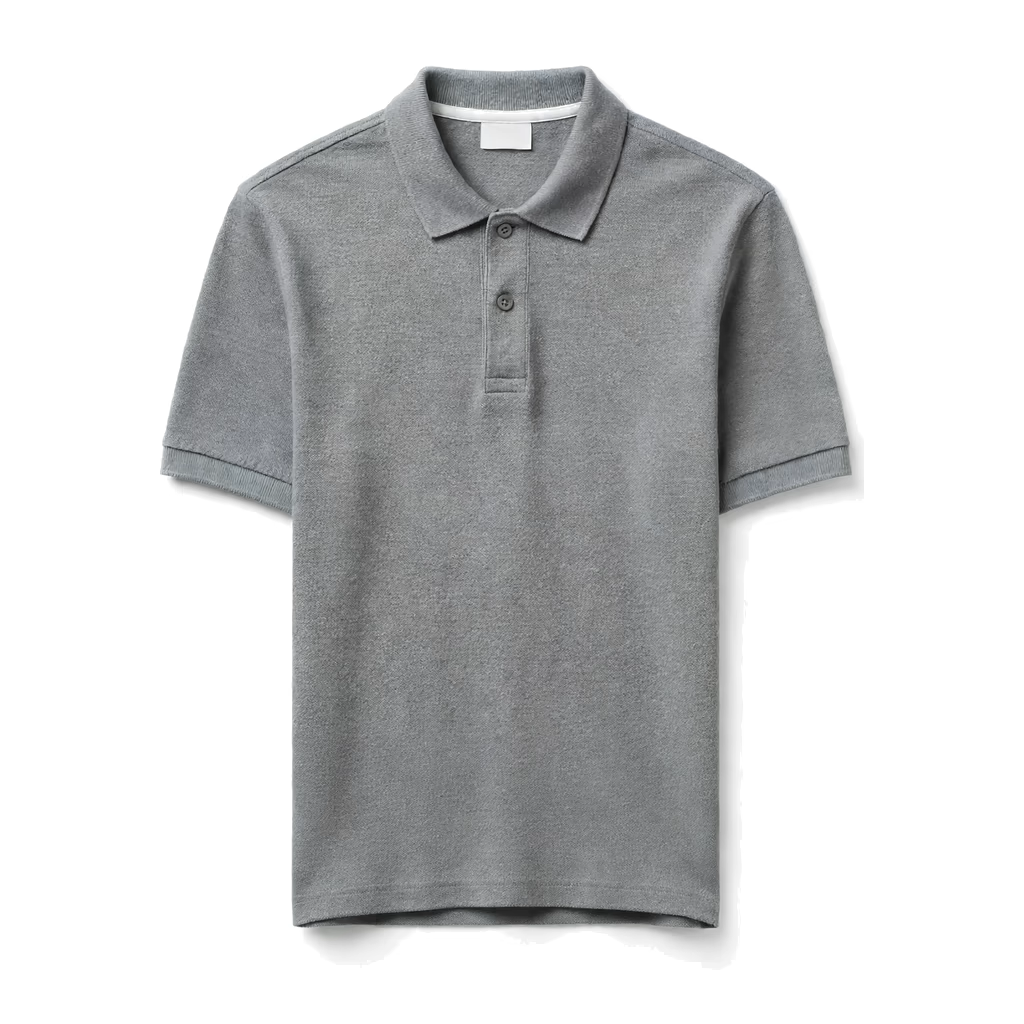
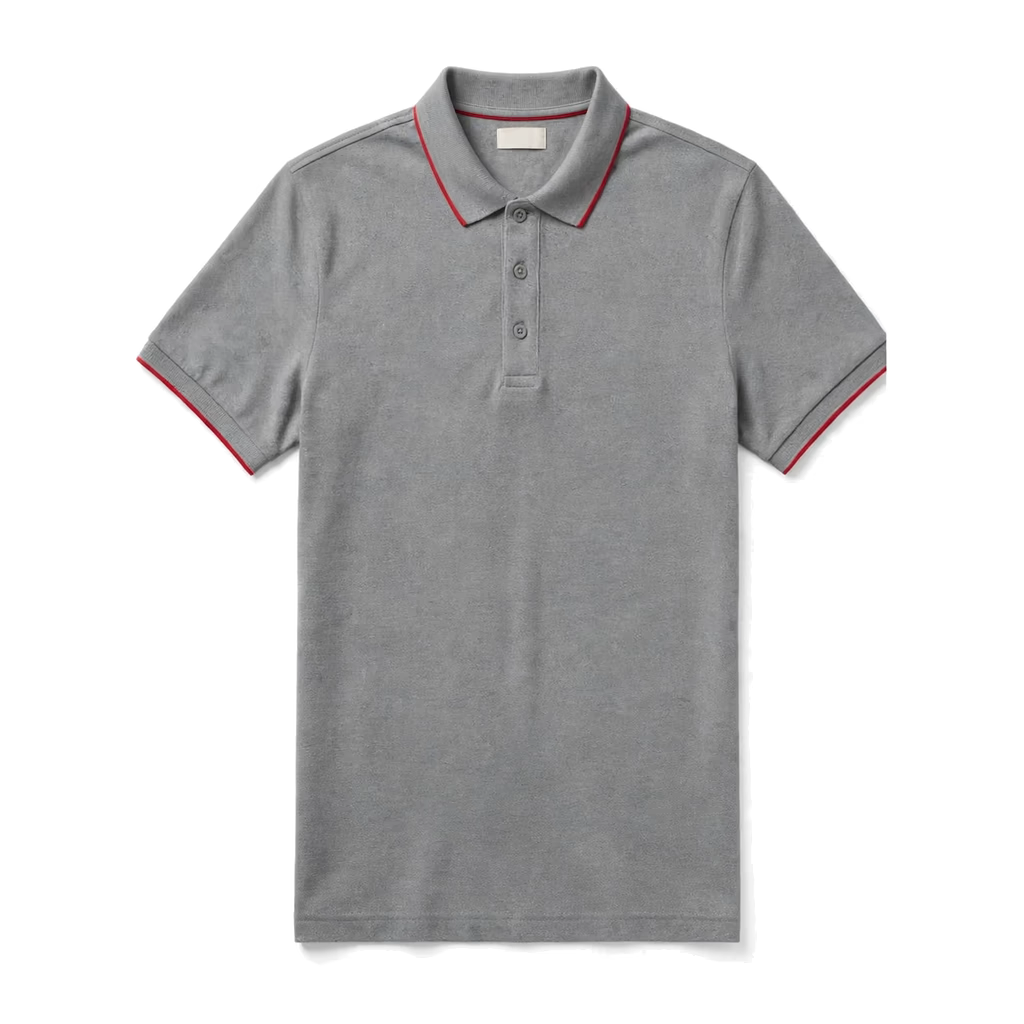
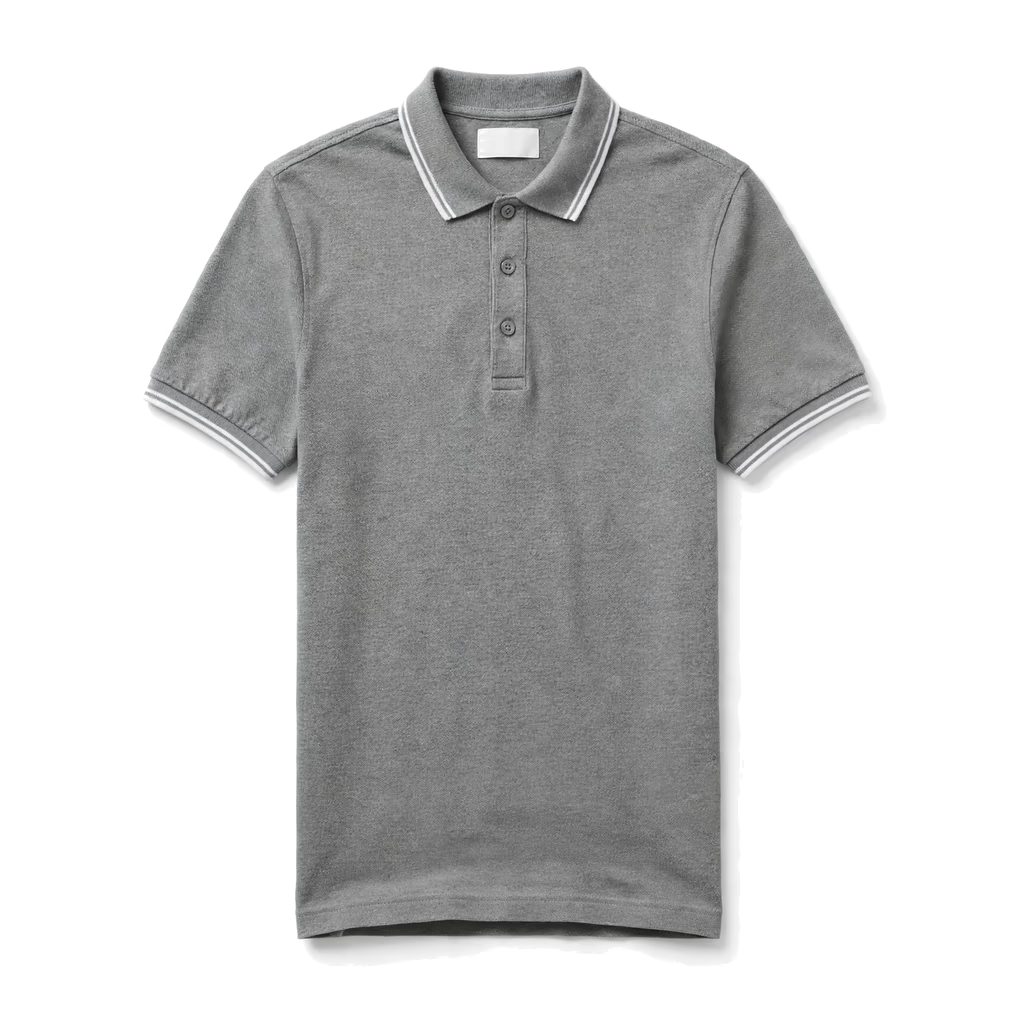
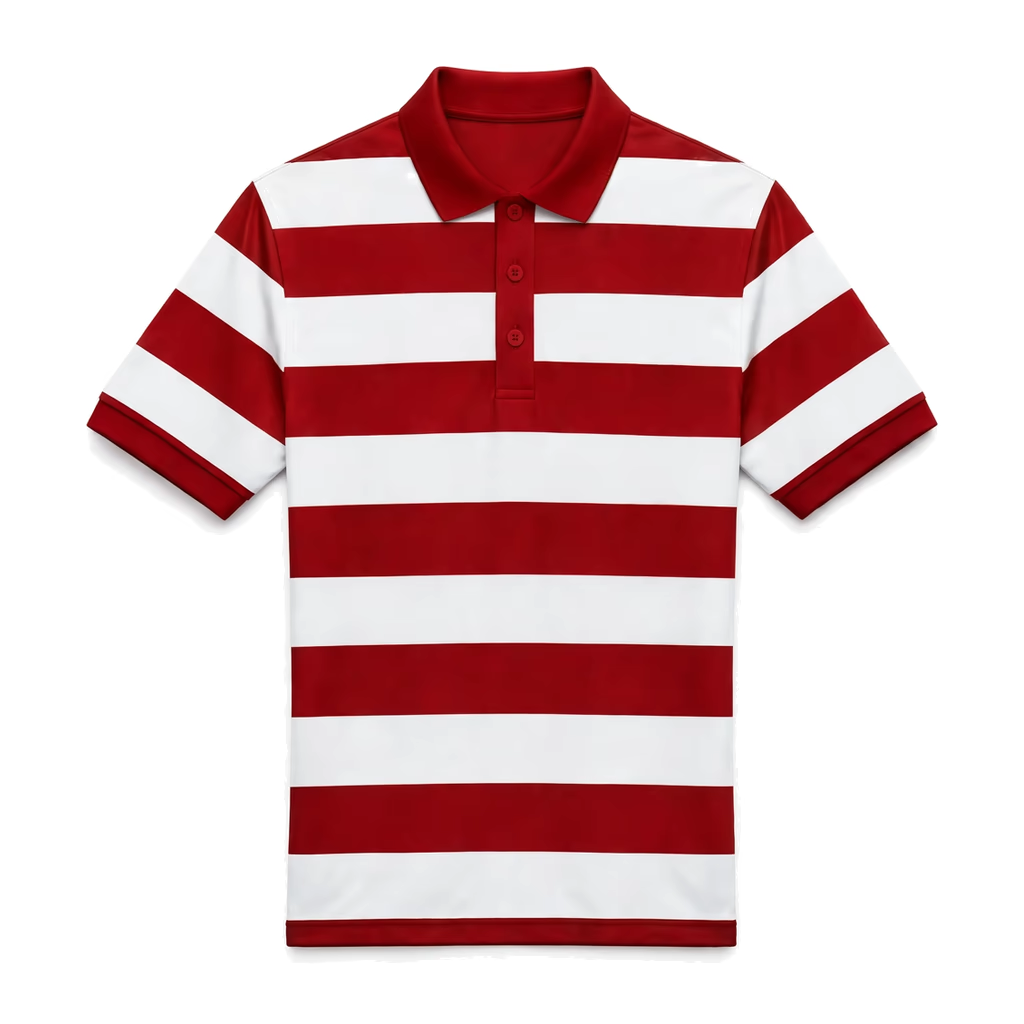
The pictures show all five colours together and the light blue in full.
Five Colours, One Filed Standard
- Colours: light blue, maroon, yellow, navy and olive green as the standing export set
- Placket: three-button placket, buttons toned to each colour
- Collar: ribbed self-colour collar, knitted to lie flat and hold its edge
- Chest: plain, ready for embroidery or print, or clean without a mark
- Hem: straight hem with side vents for an easy sit
- Fabric: cotton pique knit in light, standard and heavy weights
- Sizes: men's S to XXXL on standard grading, or to a buyer's filed size chart
Export Is a Standards Business
Selling one shirt at home is easy. Selling five colours into five markets, season after season, is a discipline of records. Every colour in this set has a shade card filed at sampling; every size has filed measurements; every buyer has a packing format on record. Production is checked against those records, not against memory, so the navy that lands in a German warehouse in March is the navy that landed the previous October. When a reorder arrives, the specification is already here - colours, sizes, labels, cartons - and the order goes straight into planning.
The same records discipline covers the making itself. Collar knitting, placket setting and button sewing run to written settings filed with the sample, so a change of line or operator does not change the shirt. New hands are trained against the filed sample, not against the last carton packed. That is how a factory holds one standard across a programme that may run for years: the knowledge sits in the records, and every order is measured against them before it is allowed to leave.
Five Colours That Work as a Set
The set is chosen the way buyers build a wall: light blue and yellow carry the spring, navy and maroon carry the whole year, and olive green gives the range its earth note without leaving the classic family. Each colour is dyed to its own card and held there across dye lots, so a mixed-colour carton shows five shades that belong together. Buyers can take the full set or build their own subset; a sixth colour joins the programme by the same route - dyed to a new card and filed.
Your Label, Your Market, Your Cartons
Export orders run under the buyer's name almost without exception. Your woven label is sewn in during production, your logo is embroidered or printed where you place it, and hang tags, price tickets and barcodes are applied at packing in your market's format - including the language and price format your channel files with us. Cartons are marked to your specification so goods can move from our floor to your distribution without relabelling.
From Specification to Shipment
Your specification opens the order: colours, sizes, labels, packing format. A pre-production sample in each ordered colour is made and approved, and the standards are filed. Fabric is inspected, cut to the standard block, and sewn with line checks on the collar, placket and vents. Final inspection covers measurements, shade against the cards, button security and packing accuracy. Cartons are consolidated and shipped through Chattogram port on the buyer's terms, with the packing list mirroring the cartons exactly.
Markets This Classic Is Exported To
As a mens classic polo shirt exporter in Bangladesh, we ship this style to buyers who run it as a permanent programme:
Germany: Department and Mail Order Ranges
German buyers take the full five colours in the standard weight, with their ticket formats applied at packing.
United Kingdom: High Street and Online Retailers
UK retailers anchor their core polo wall on this set, reordering by colour against the filed shade cards.
United States: Private Label Importers
Importers in the United States bring this classic in under their own labels, with embroidery and carton marking to their format.
Canada: National Programme Buyers
Canadian programmes run the set across stores, so carton accuracy and shade consistency between shipments carry the order.
Australia: Seasonal Core Importers
Australian importers take the light weight for their summer and hold the five colours as a year-round core behind it.
Checked Against Cards and Charts
Inspection on an export classic is documentary: shade against the colour cards, measurements against the filed chart, buttons and stitching on the standard pass, and packing checked line by line against the order's format. What is checked is what the buyer will check, so there are no surprises at the warehouse door.
Packed for the Route It Travels
Shirts are folded or polybagged to the buyer's format, packed by colour and size, and cartons are built for the route - export cartons that protect the goods through sea freight and handling. Carton marks follow the buyer's specification, and the packing list mirrors the cartons exactly.
Start an Export Programme
Send the colours, sizes, quantities and label artwork through the inquiry basket on this page. We reply with export prices, a sample plan covering each colour, and a production and shipping schedule.
Export Polo Questions, Answered Plainly
Which colours form the standard set?
Light blue, maroon, yellow, navy and olive green. Buyers can take the set, a subset, or add colours dyed to a new standard card.
Can you follow our own size chart?
Yes. Our standard grading covers S to XXXL, and a buyer's filed size chart replaces it wherever a programme files one.
Do you pack under our label and tickets?
Yes. Labels, tags, price tickets and barcodes are applied in your format at packing, including your market's language format.
How is shade held between shipments?
Each colour is dyed to a filed shade card, and production is checked against the card before cartons are sealed.
Which port do goods ship from?
Cartons are consolidated and shipped through Chattogram port on the buyer's terms.
What fabric weights are offered?
Light, standard and heavy cotton pique, matched to the market and season at sampling.