
Apparel Manufacturing
Polo Shirts From a Bangladesh Clothing Wholesale Supplier
Shadanatex Bangladesh manufactures polo shirts to order for schools, companies, golf clubs, workwear programs and clothing brands. Our pique polos are knitted, dyed, cut and sewn in our own factory, and every order is sampled and approved before bulk production begins.
Materials: Pique knit in cotton or cotton blends, single jersey and slub finishes, in the weight your program needs.
Functionality: School and staff uniforms, corporate wear, golf and club shirts, promotional ranges and resale programs.
Size: Adults' and children's sizes on your own size chart, graded and checked before cutting.
Customization: Your colours and collar styles, tipping or plain, embroidery or print on the chest, your woven label and your packing instruction.
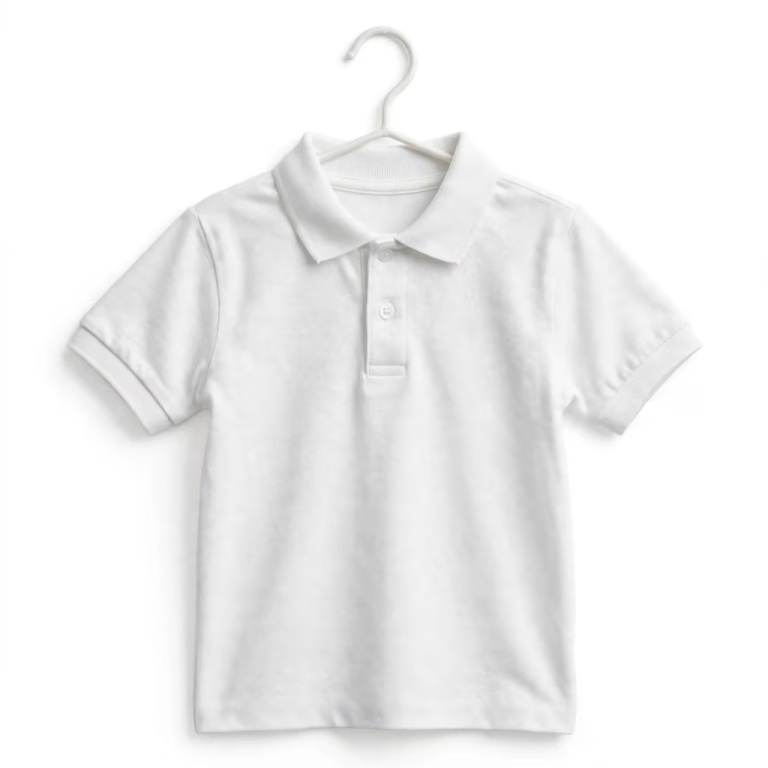
Simply The Best
PORTFOLIOS
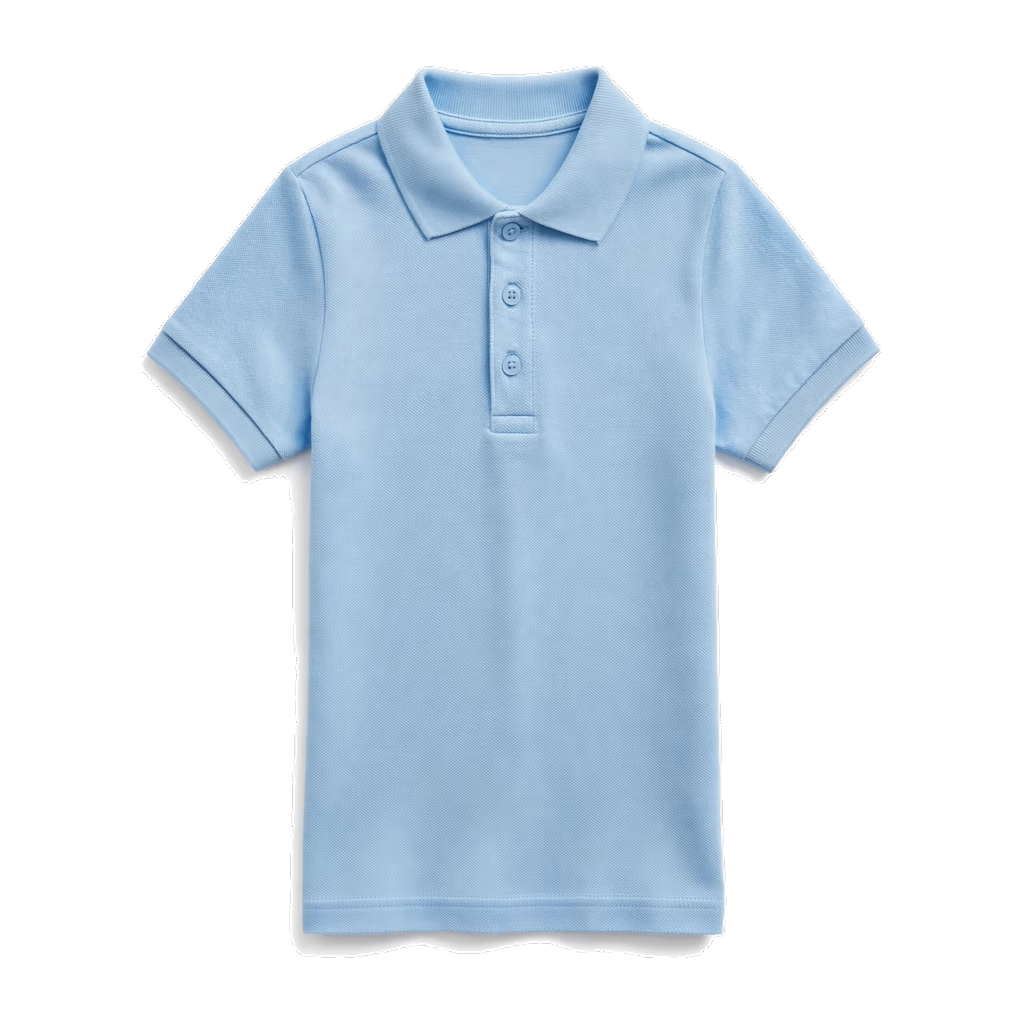
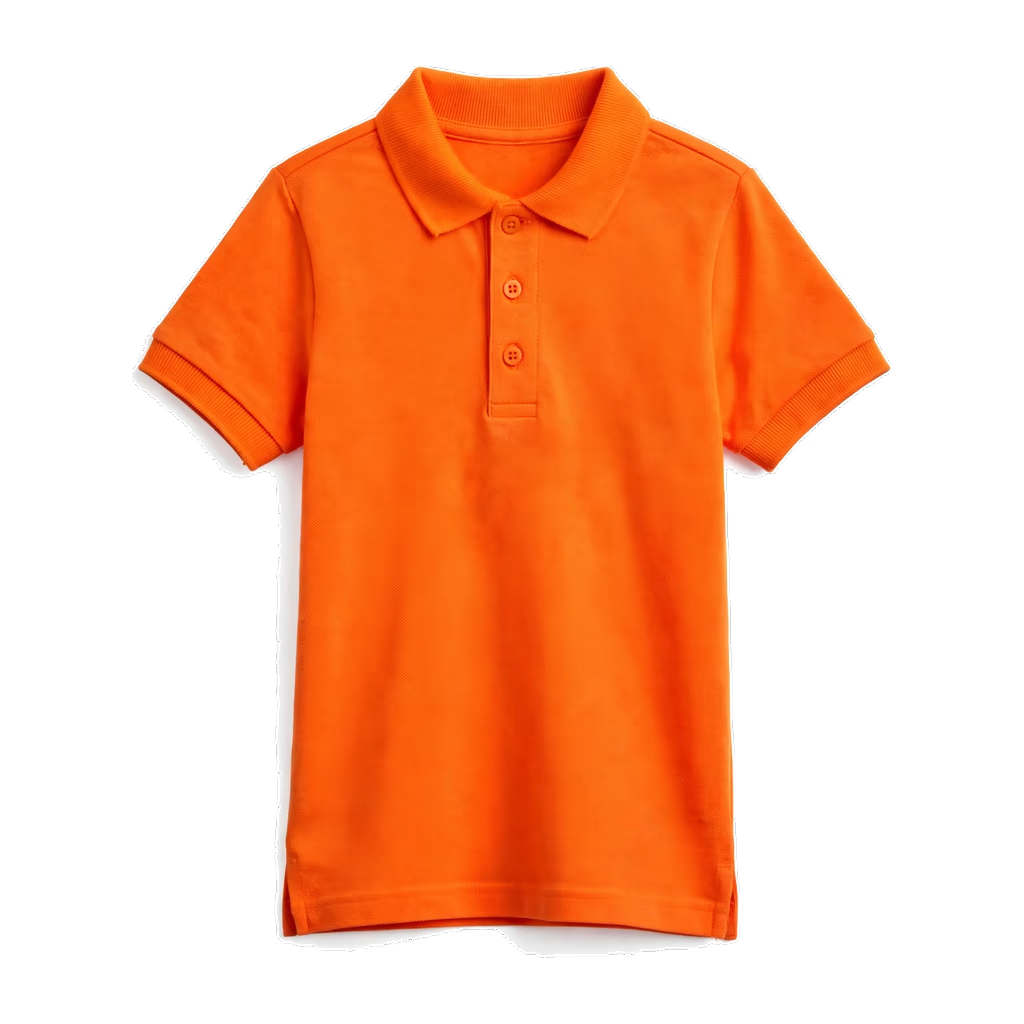
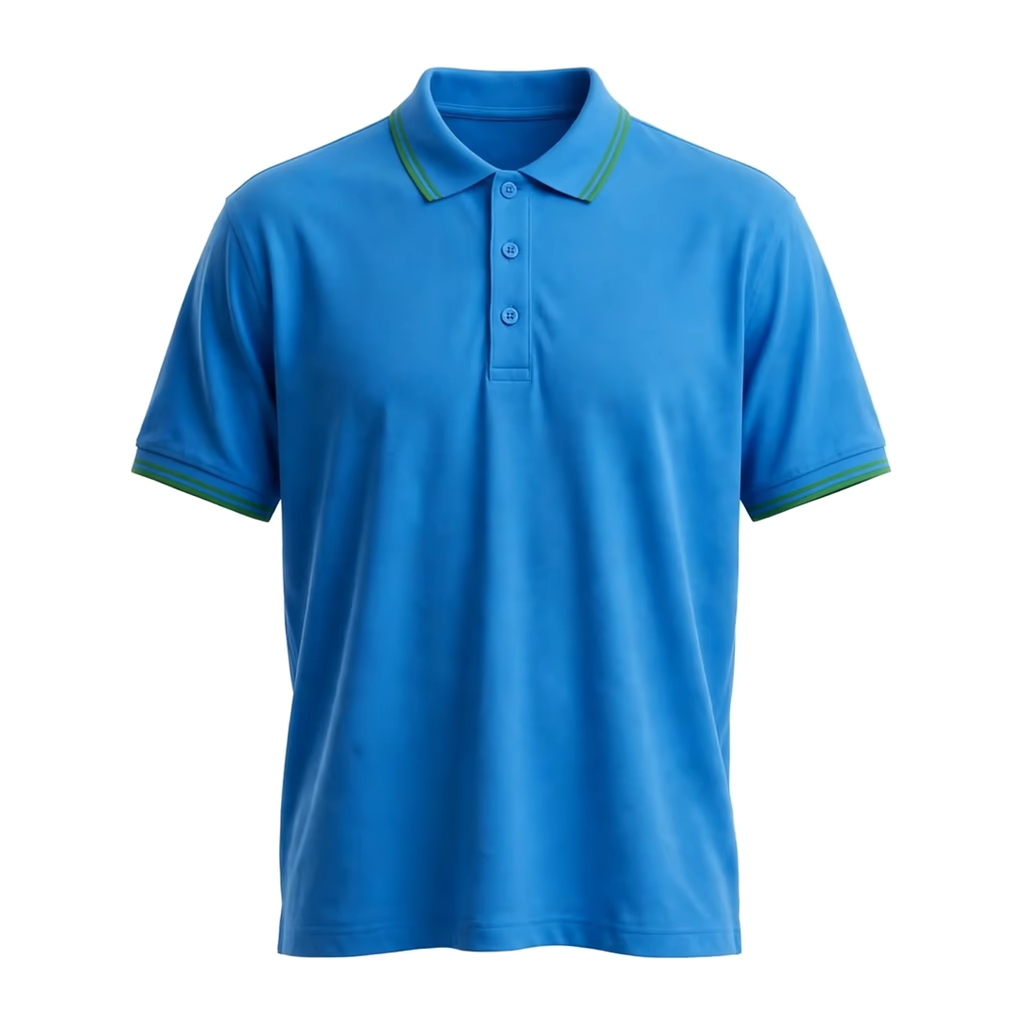
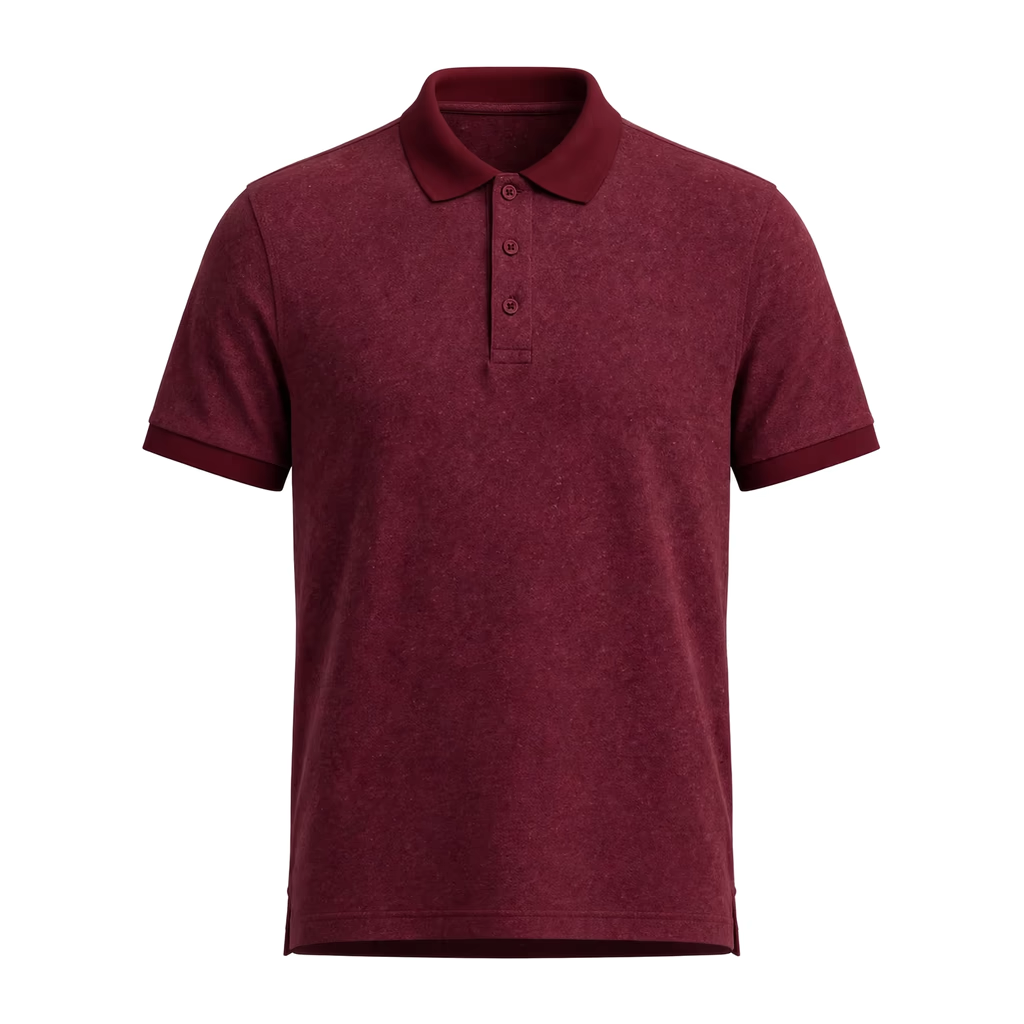
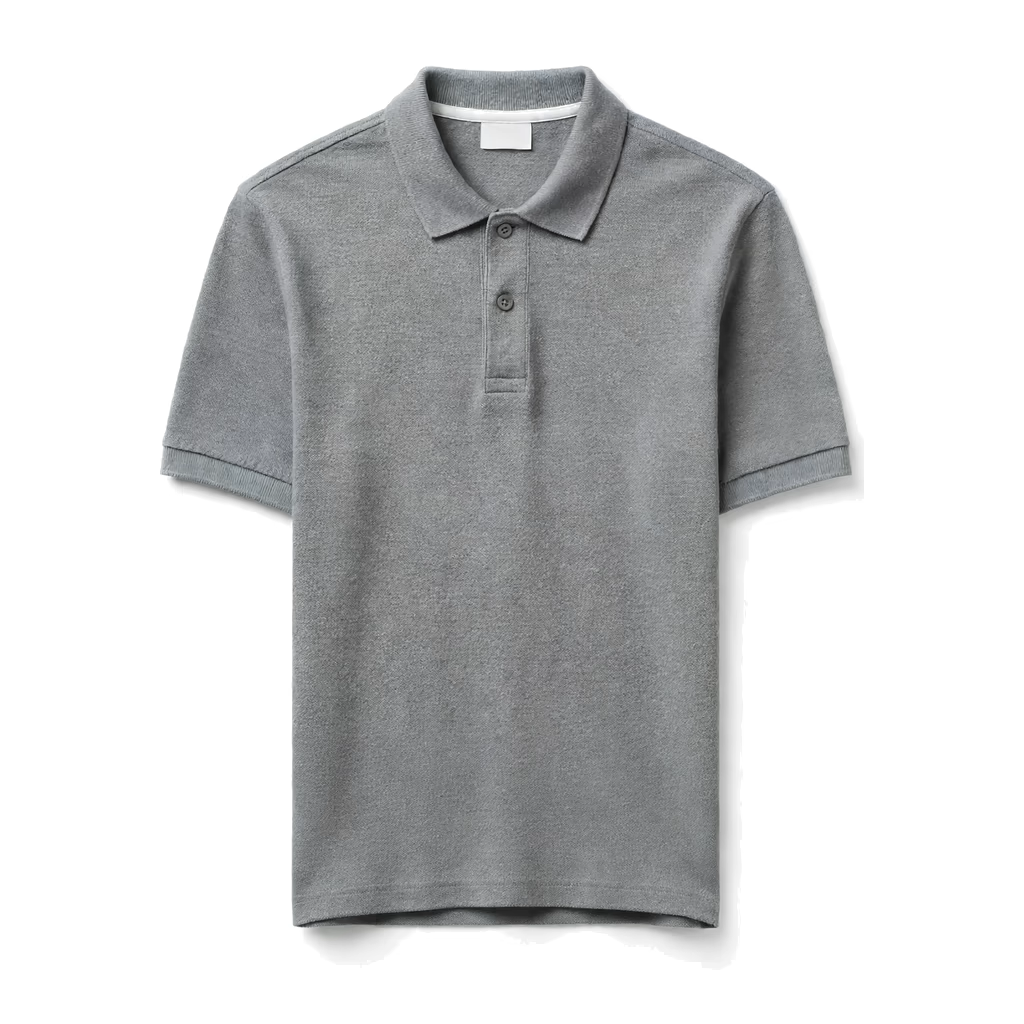
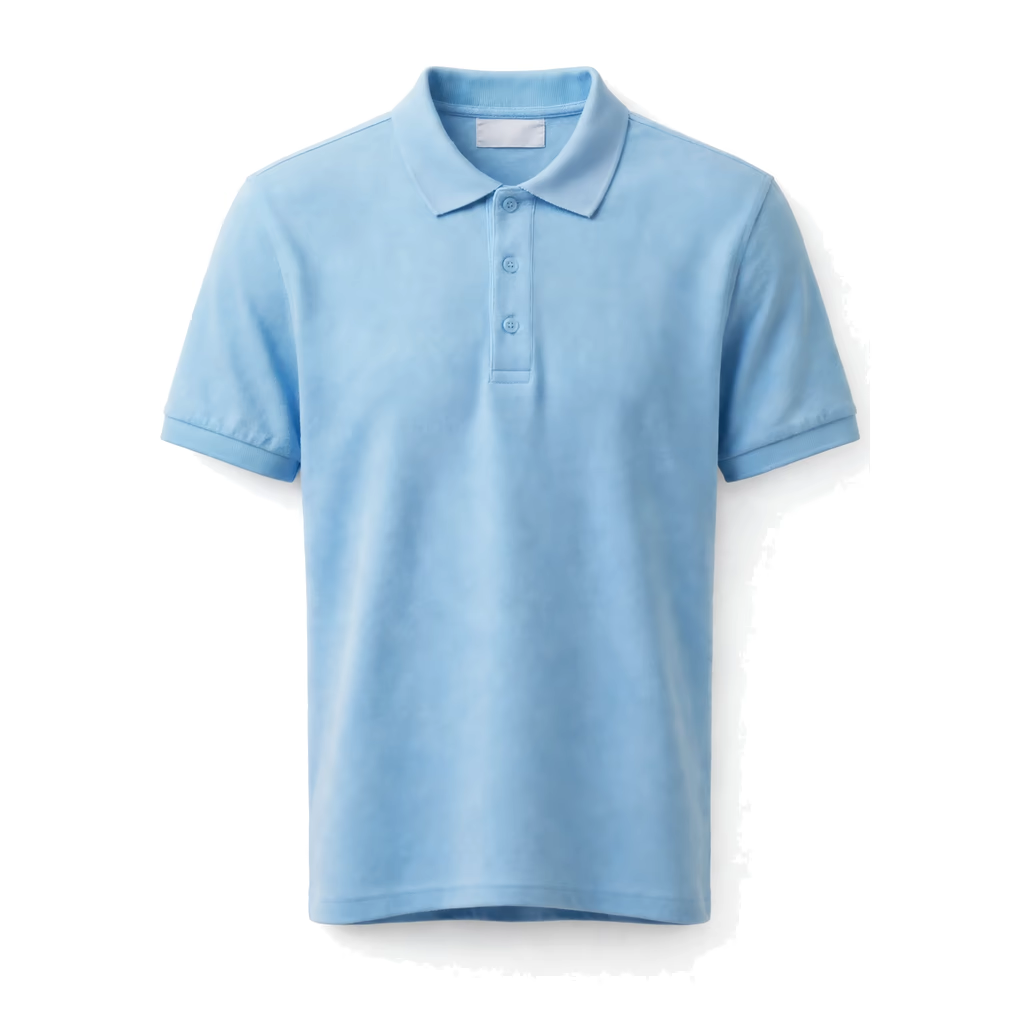
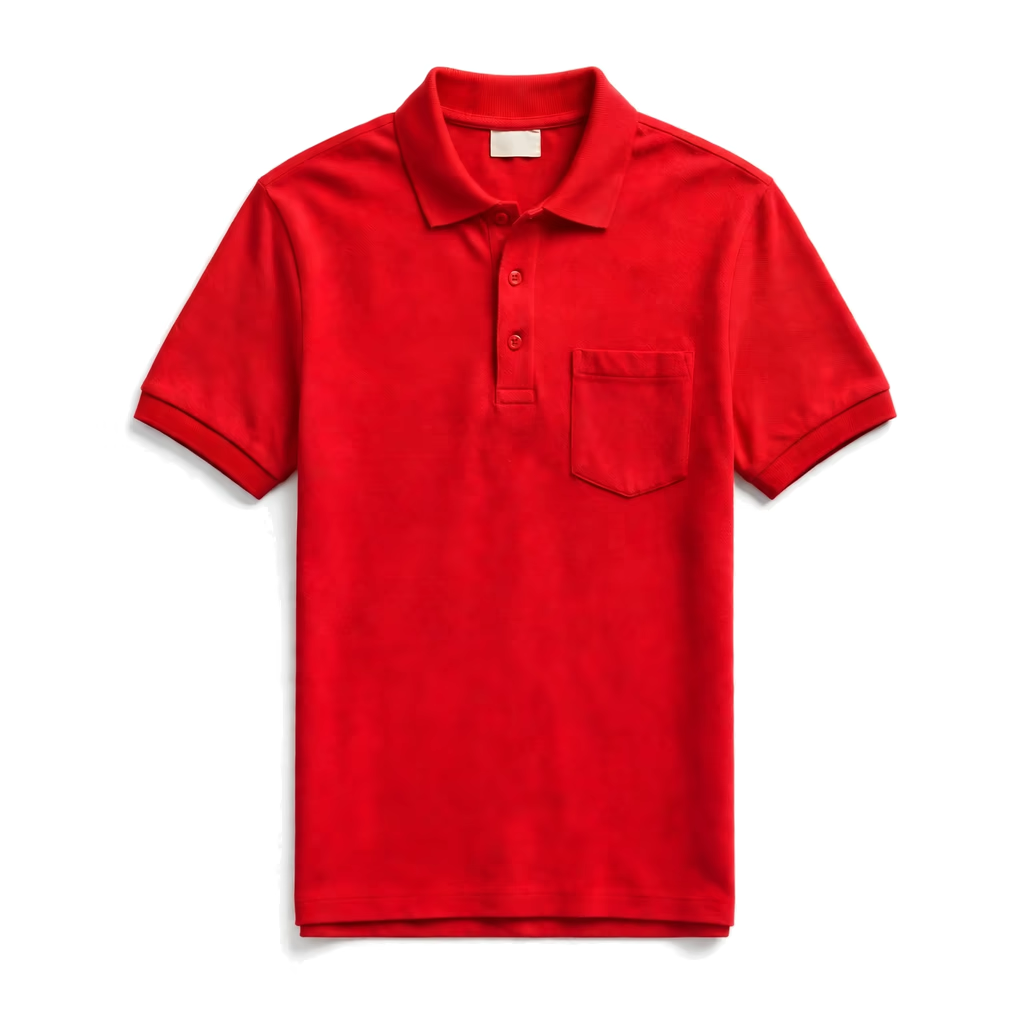
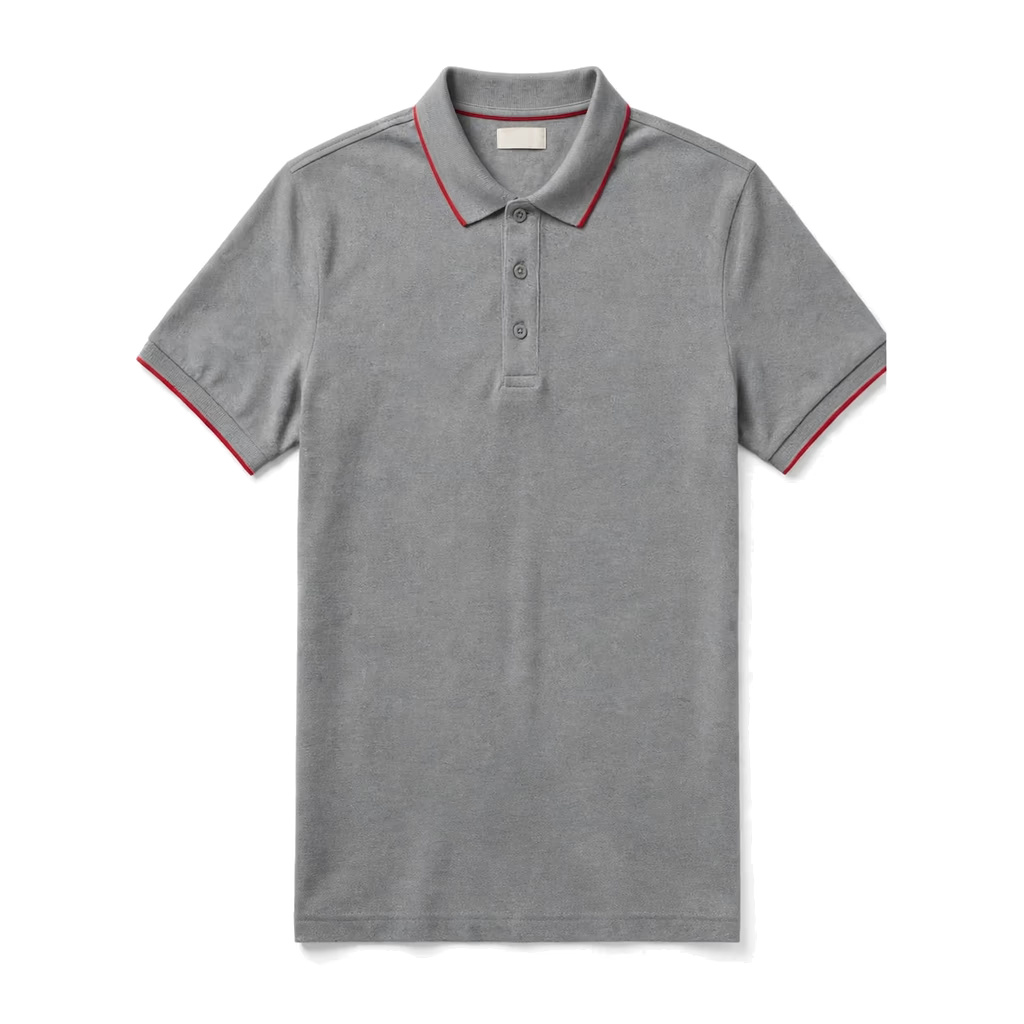
Overview
Polo Shirts Clothing Wholesale Supplier
The polo shirt is the hardest-working style in a wholesale catalogue: one garment has to serve a school uniform list, a workwear contract and a golf club shop at the same time. Shadanatex makes polo shirts in Bangladesh for buyers who order by program rather than by the piece. As a polo shirt manufacturer and exporter working from our own knitwear unit, we knit the pique, sew the collars, embroider the logos and pack the finished shirts under one roof, so a wholesale polo shirts order is controlled at every stage by the people who quoted it.
The Pique Knit Behind Every Polo Shirt
A polo stands or falls on its pique. The honeycomb texture of a true pique knit gives the shirt its structure: it holds the collar line, resists the sag that a plain jersey develops at the chest, and lets air move through the fabric on a hot day. We knit our pique on our own machines, which means the stitch, the yarn and the finish are set for each order rather than taken from whatever fabric happens to be in the market that month. Cotton pique gives the softest hand feel and is the usual choice for school and retail programs. A cotton and polyester blend pique dries faster, holds its colour through hard washing and suits workwear and sports use. Both are knitted to a fixed recipe recorded in the order file, so the pique on a repeat order is the same pique the buyer approved the first time.
Choosing a Pique Weight for the Job
Lightweight Pique for Warm Weather and Events
A lighter pique keeps the shirt cool and easy to layer, which is why event companies, hospitality buyers and warm-climate uniform programs choose it. It drapes closer to the body and packs small, a real saving when thousands of shirts travel in one shipment.
Midweight Pique for Uniforms and Retail Ranges
The middle weight is the workhorse of wholesale polo shirts. It has enough body to look smart on a rail and enough strength for weekly washing, so schools, corporate buyers and retail labels all build their core ranges on it.
Heavyweight Pique for Workwear
A heavier pique stands up to site work, warehouse use and industrial laundry. The fabric feels firmer, the collar sits flatter, and the shirt keeps its shape through the kind of treatment that would tire a lighter knit in a season.
Collars, Tipping and Cuffs, Knitted to Match
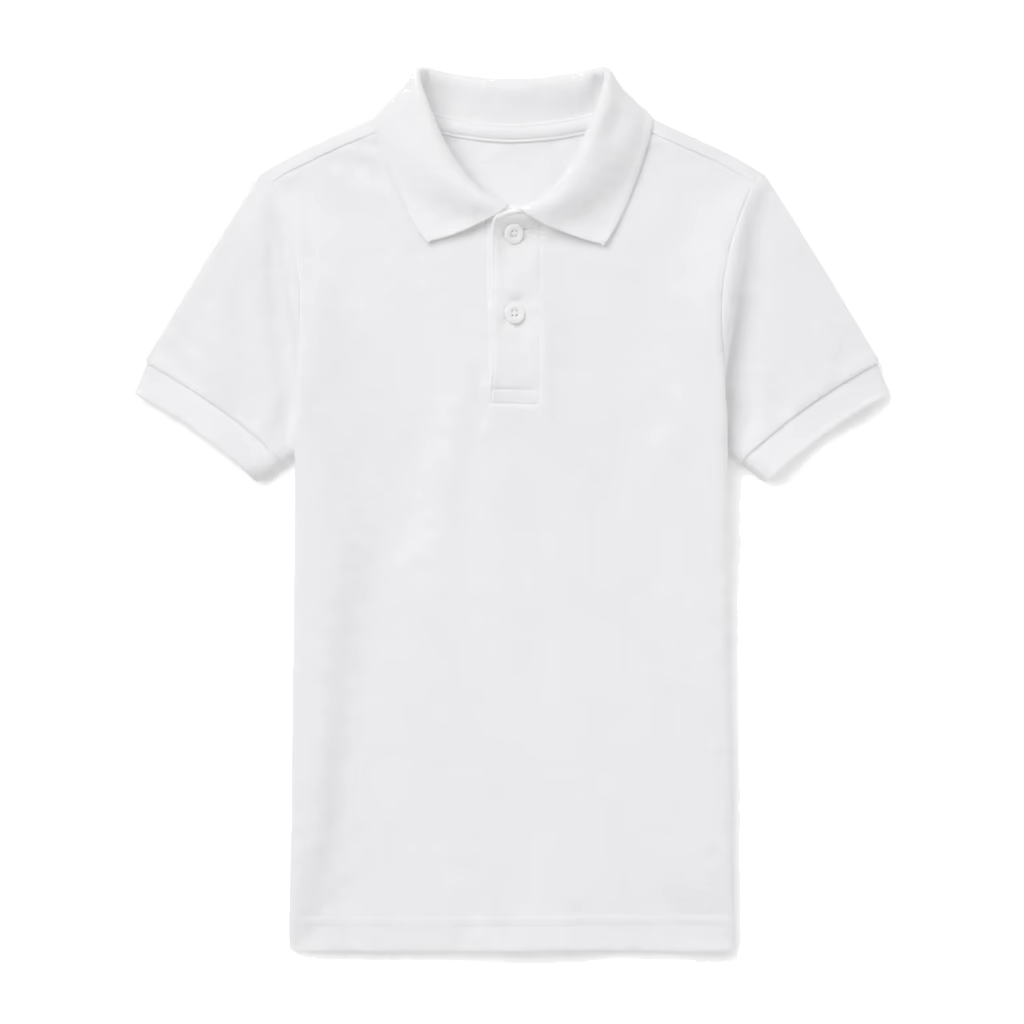
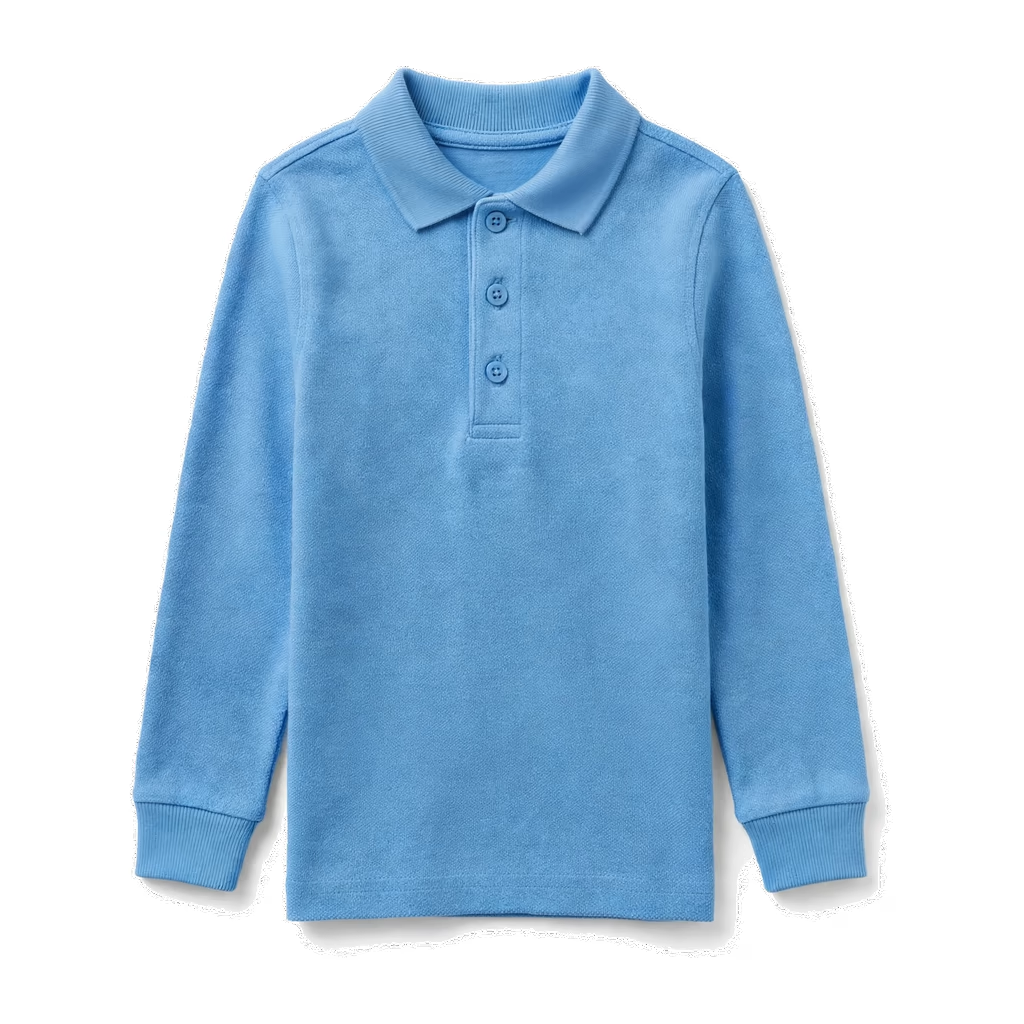
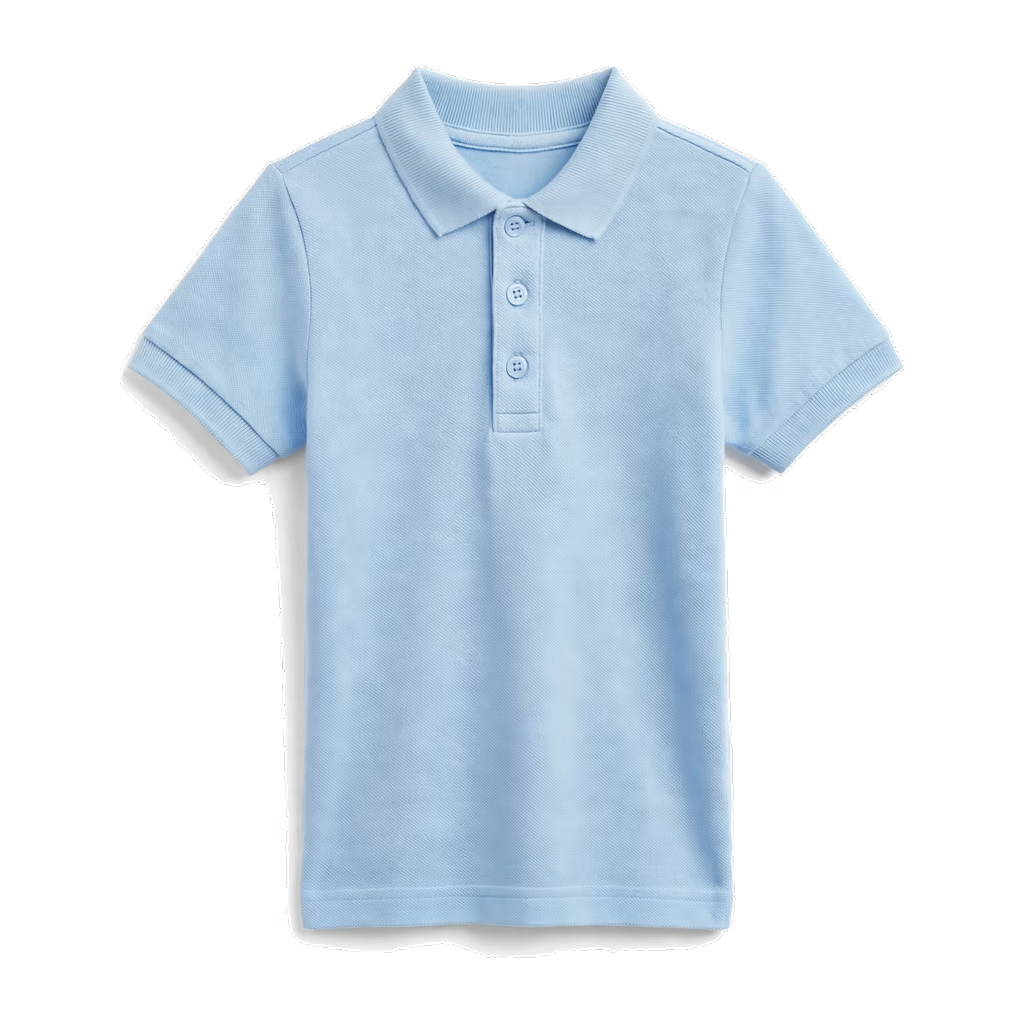
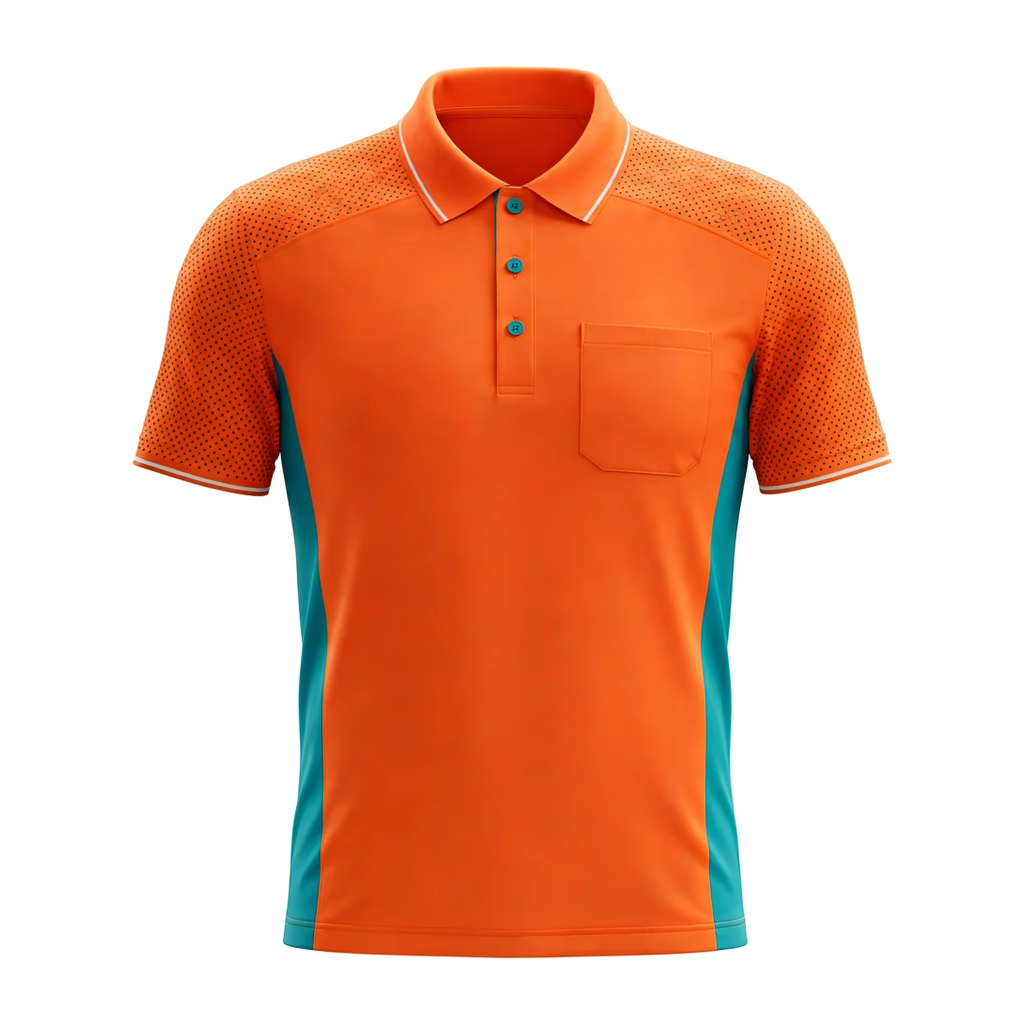
The collar of a polo is a separate knitted piece, and it is made here alongside the body fabric so the shade matches exactly. A plain self-fabric collar is the classic uniform choice. Tipping, one or two fine stripes knitted into the collar edge and the sleeve cuffs, is how schools separate houses and year groups and how clubs carry their colours without printing anything. Because the stripe is knitted in rather than applied, it cannot crack or peel in the wash. Ribbed cuffs finish the sleeves with the same tipping where the design calls for it, and a taped back neck keeps the collar seam smooth against the skin and stops the neckline stretching out of shape across a season of wear.
Plackets, Buttons and the Flat Stitched Hem
Most of our wholesale polo shirts are sewn with a two or three button placket, reinforced at the base so the opening does not tear away from the body after repeated fastening. Buttons are dyed to match the fabric unless the buyer asks for a contrast, and the placket sits flat because it is cut and pressed to the pattern rather than gathered in. Short side vents at the hem let the shirt sit comfortably over trousers. The bottom of the shirt is a flat stitched hem: the body fabric runs straight to the lower edge with a neat stitch line close to it, the finish a polo should have. There is no added band and no ribbed strip at the bottom of any polo we make.
One Polo Shirt, Three Working Lives
School Polo Programs
Schools buy polos by the year group and reorder them for years. We hold the school colour, the size grading and the embroidery file in the program record, grade the fit from small children to senior students, and pack by size so the uniform shop can shelve the delivery without sorting it first.
Workwear and Corporate Programs
For companies, the polo is a uniform that staff actually like wearing. Blend pique, a firm collar and a chest logo give a tidy front for drivers, technicians, warehouse teams and hospitality staff, and the same style can be repeated across depots and seasons without the shade wandering.
Golf and Leisure Polos
Golf and resort buyers ask for a smarter finish: a clean collar line, tipping in club colours, a smooth placket and embroidery placed precisely on the chest or sleeve. The same pique discipline applies, with the hand feel and the presentation lifted for a retail rail.
Your Logo, Embroidered at the Factory
A polo usually carries its branding as embroidery, and ours is stitched here before the shirts are folded. Chest logos are the standard placement for schools and companies; sleeve marks, back neck marks and larger back designs are all run on the same machines. Thread colours are matched to the buyer artwork or to a thread chart reference, the stitch count and backing are set for pique so the logo sits flat without pulling the fabric, and an embroidered sample is approved before bulk production starts. Because the embroidery happens in the same building as the sewing, a shirt never leaves the line half finished to be decorated somewhere else.
Colour Standards That Survive Reordering
Wholesale programs live on repeats, so colour is treated as a standard, not a hope. Each program colour is dyed to an approved swatch, the recipe and the swatch are kept in the order file, and production shade is checked against that standard before cutting. When a school or a company reorders two terms or two seasons later, the new shirts are made to the same recorded standard as the first delivery, which is what lets old and new stock hang side by side in the same shop without an argument about which batch is which.
How a Wholesale Polo Order Runs
An order starts with the specification: style, pique type and weight, colours, sizes and quantities per size, and any embroidery artwork. We confirm the details and make a sample for approval, including the collar, tipping and logo exactly as they will run. On approval, fabric is knitted to the recorded recipe, cut to the agreed size chart and sewn with the buyer label in the neck. Production is checked for measurements, shade, stitching and embroidery placement, then the shirts are folded, packed to the buyer standard and cartoned for export. One factory handles the whole chain, so questions about a running order are answered by the floor that is making it.
Polo Shirt Markets We Supply
We export polo shirts from Bangladesh to the USA, where school districts and corporate uniform programs order in large seasonal runs. In the UK, academy groups and schoolwear retailers build their uniform lists on our polos term after term. German buyers put fabric weight and washing performance first and hold us to tight size charts, which our grading handles. Canada takes consolidated shipments timed to the school and workwear calendar. In the UAE, light pique polos serve a long hot year for schools, hospitality and facility teams. Each market asks something different of the same shirt, and the order file is where those differences are written down and kept.
The Polo Programmes Buyers Start With
Three polo programmes carry most of the orders that begin on this hub. If you buy to your own file, start with our work as a polo shirt manufacturer in Bangladesh - OEM polos sewn to your tech pack, under your label. For bulk repeat programmes, the wholesale polo shirt supplier page covers the colour block programme and how reorders are held to the first delivery. If your range is built on your own colourways, the custom polo shirt exporter page sets out the striped programme and the export packing behind it. School and staff programmes run from the school uniform polo shirt page. For staff-only programmes, the uniform supplier in Bangladesh page covers employee uniform polos, logo work and repeat orders in detail.
Kids Wear Programmes Buyers Start With
Children's programmes run from this hub as well. Our work as a kids wear manufacturer in Bangladesh covers school uniform polos for boys and girls, and the same factory ships those programmes as a kids wear exporter in Bangladesh to school markets. For the top of the boys' range, the kids clothing supplier in Bangladesh page covers big boys' t-shirts made to the same school and retail files.
Questions Buyers Ask About Wholesale Polo Shirts
Which pique weight should our program choose?
Start from the washing and the wearing. Light pique suits hot climates and occasional wear, midweight covers most school and retail programs, and heavyweight is the safe choice for workwear and industrial laundry. Tell us how the shirts will be used and we will recommend the weight at the quotation stage.
Can the collar carry our school or club colours?
Yes. Tipping stripes are knitted into the collar and cuffs in your colours during knitting, so the stripe is part of the garment and lasts as long as the shirt does. Send the colours or a sample garment and the sample is made to match.
Is the bottom of the polo a flat hem or a band?
A flat stitched hem. The pique body runs straight to the bottom edge with a stitch line close to the edge, which is the correct polo finish. We do not sew a ribbed band or an added strip onto the bottom of a polo shirt.
Can our logo be embroidered before packing?
It can, and for most programs it is. Embroidery is done in our own unit after sewing and before folding, with thread colours matched to your artwork and the placement checked against the approved sample, so the shirts arrive ready to issue or to sell.
Will a repeat order match the first delivery?
Yes. The pique recipe, dye standard, size chart, collar and tipping details and the embroidery file are all held in the order record, and the repeat is produced to that record rather than rebuilt from memory.
For buyers comparing programmes first, see our top 10 custom polo shirt programmes - the ten polo lines we run for export buyers, side by side.