
Apparel Manufacturing
Winter Jackets Supplier in Bangladesh - Mens Hooded Padded Winter Jackets
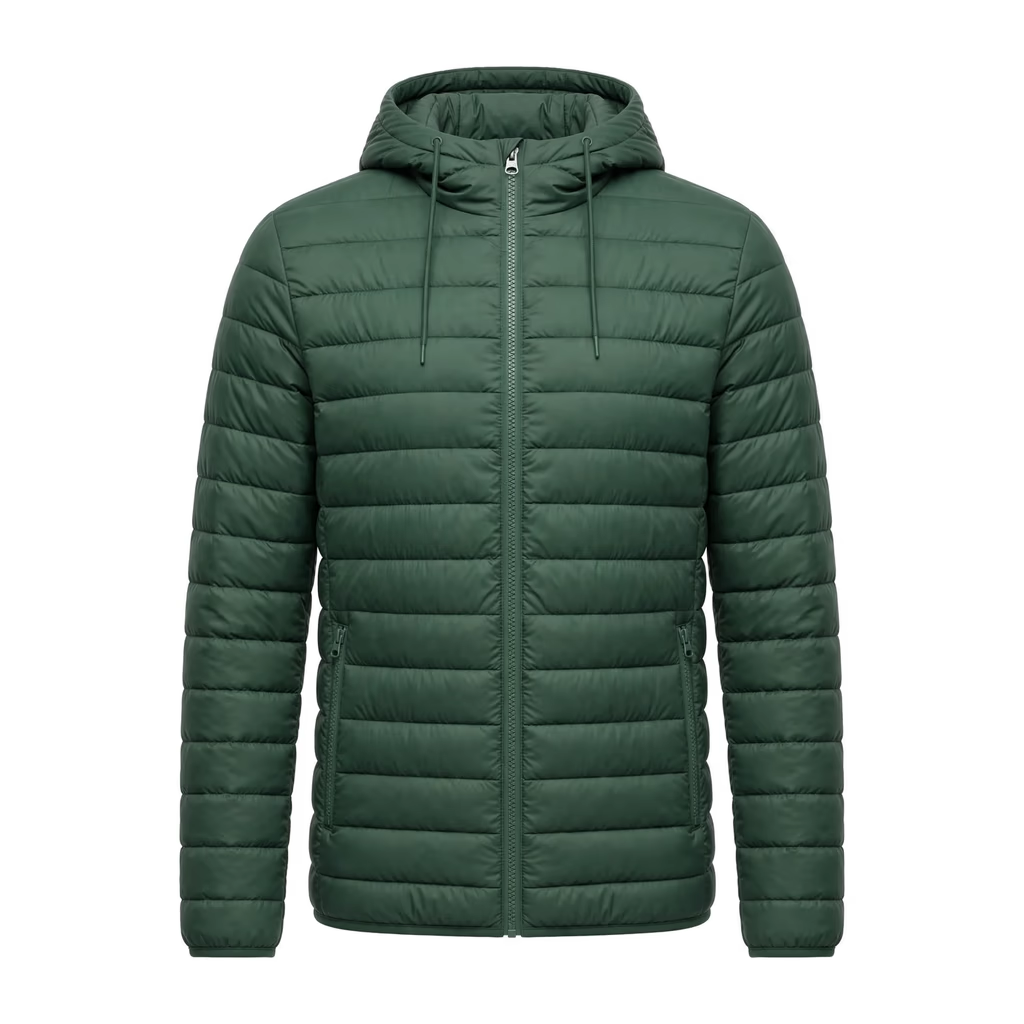
This hooded padded jacket is built at real winter weight: horizontal baffles with an even weighed fill, a deep hood that closes with a drawstring, and a full front zip that runs to the chin. It is sewn in forest green as the lead colour, cut slim for younger wearers at hip length, and finished with your own woven label in the neck. The range also runs to rust orange, warm stone grey and deep teal for cold markets.
Materials: A matte nylon shell quilted over a warm polyester fill that is weighed per panel, with a smooth lining that slides over knitwear. The fill weight is chosen by destination climate, from light winter to deep winter builds.
Functionality: The hood blocks the gap a plain collar leaves open, two zip pockets keep hands and small items secure, and the body layers over jumpers without pulling. The jacket packs flat for export shipping and returns to shape when unpacked.
Simply The Best
PORTFOLIOS
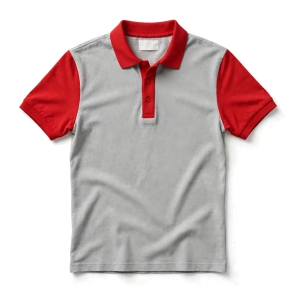
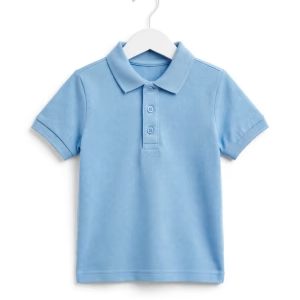

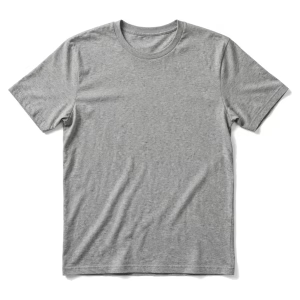
Blank T-Shirts · Art.12779
Leading Blank T-Shirts Manufacturers In Bangladesh Elevate Your Style
Get Price
Product Details
Mens Hooded Winter Jackets Supplier in Bangladesh
Winter Jackets Supplier in Bangladesh for Cold-Season Export Orders
As a winter jackets supplier in Bangladesh, Shadanatex Bangladesh sews hooded padded jackets to the buyer's own pattern, colour plan and label. The jacket on this page is the house example for the cold season: a forest green hooded puffer with horizontal baffles, an even winter-weight fill, a full front zip and a drawstring hood that closes the gap a plain collar leaves open. It is cut slim for younger wearers, sits at hip length, and is graded across a full size run for cold markets.
Winter work is planned backwards from the weather. A jacket that reaches a shop rail in October was sampled the previous spring, and the labels that sell through are the ones whose fill weight, size run and packing were settled long before the cold arrived. This page sets out how we help buyers make those calls.
A Hooded Padded Jacket Built at Winter Weight
The pattern is a regular slim fit shaped for younger customers who layer a winter jacket over knitwear and still want a clean line. The body sits at hip length with a straight hem, the sleeves run long enough to cover the wrist, and the hood is cut deep enough to sit over a hat without pulling at the front zip. Two drawstring cords adjust the hood opening, and each cord ends in a single neat tip, matched to the shell colour.
The front zip runs dead straight from hem to chin with one puller, so the jacket closes fast with cold hands and sits flat when worn open. Two zip pockets keep hands and small items secure, and the pocket zips are set into the baffle line so they do not break the quilting pattern. Fit is set at the sample stage and held through production, with a measured size set checked before bulk sewing starts.
Fill Weights and Warmth Levels by Destination Climate
Warmth is set by fill weight, and the right weight depends on where the jacket will be sold. A fill that feels right in a mild coastal winter is not enough for a continental market where temperatures sit below freezing for weeks. Buyers choose the level at the sample stage, and we sew a sample at the chosen weight so the warmth can be judged on the body, not on a specification sheet.
| Warmth level | Fill guide | Destination climate | Typical buyer |
|---|---|---|---|
| Light winter | Fine fill, thin baffles | Mild winters, cold evenings, heated transport between stops | City and commuter ranges |
| Core winter | Medium fill, the jacket on this page | Regular frost, cold wind, long outdoor waits | Everyday winter ranges across northern Europe and North America |
| Deep winter | Heavy fill, deeper baffles | Hard frost and snow, inland and northern districts | Outdoor, work and cold-region ranges |
The shell is a matte nylon that keeps wind out and sheds light rain, quilted over a polyester fill that is weighed per panel. Weight per panel matters: if the fill is simply blown in, one baffle ends up warm and the next one thin, and the wearer feels the gap on the first cold morning. Weighed panels keep the warmth even from chest to hem, and the jacket returns to shape after packing without steaming.
Buyers selling into more than one climate often run the same pattern at two warmth levels. The size set and label stay the same, so the range reads as one family on the rail while each market gets the weight it needs.
When Northern-Hemisphere Buyers Place Winter Orders
The northern winter selling season runs from October to February, and the order calendar is built backwards from an October rail date. Sampling usually opens in January to March, when buyers review the season just finished and brief the next one. Patterns are corrected, fill weights are chosen and colours are set during this window.
Bulk orders are commonly placed from April to June. Production runs through the summer months, and finished cartons ship from August to October so stock reaches distribution centres before the first cold spell. A later start can still make the season, but the freight choice narrows, so the winter programme rewards an early brief.
Southern-hemisphere buyers work to the mirror calendar, with delivery aimed at a May to July winter, and we run both calendars in the same factory. Buyers planning a first winter order can contact our team with their target rail date, and we will map the steps back from it.
Cold-Market Size Runs and Grading
Cold markets buy differently from mild ones. A winter jacket is worn over layers, so buyers in colder countries often weight their size run toward the middle and upper sizes. We grade to the buyer's own size chart, and the standard run covers small to extra extra large, with extended sizes added at the sample stage where a market needs them.
Length is part of the size conversation. The house pattern sits at hip length, and buyers serving very cold districts sometimes add length at the hem for extra cover. Sleeve length is checked with the arm bent, because a cuff that rides up in wear lets cold air in at the wrist.
Every colour in an order is sewn from the same blocks, so a customer who buys the forest green jacket this season finds the same fit in the rust orange one next season. Measurements are recorded per size and held on file for reorders, which keeps a running winter programme steady year after year.
Hood and Closure Options Buyers Set at the Sample Stage
The hood on this jacket is fixed and drawstring-adjusted, which suits everyday winter wear. Buyers can also choose a detachable hood on a zip or press studs for ranges that sell the same body two ways, or a higher storm collar with the hood packed into it for a cleaner front. Hood depth and the shape of the peak are set on the sample, and the drawstring cord and tips are matched to the shell.
Closure choice changes both warmth and price. The standard build is a single front zip with one puller, covered at the chin so the teeth do not touch the skin. A storm flap adds wind protection for deep-winter builds, and a two-way zip suits longer bodies. Cuffs can be plain, elasticated or ribbed, and the hem can carry an internal drawcord.
None of these choices is fixed by us. The sample is where they are tested, and the approved sample is the standard the bulk is sewn to.
Forest Green Leads a Four-Colour Range
Forest green is the lead colour in the photographs because it carries the quilting well and sits comfortably in outdoor, casual and work ranges. The same hooded pattern is made in rust orange, warm stone grey and deep teal, and the four colours share one size set, one label position and one packing standard, so an order can split across colours without splitting the specification.
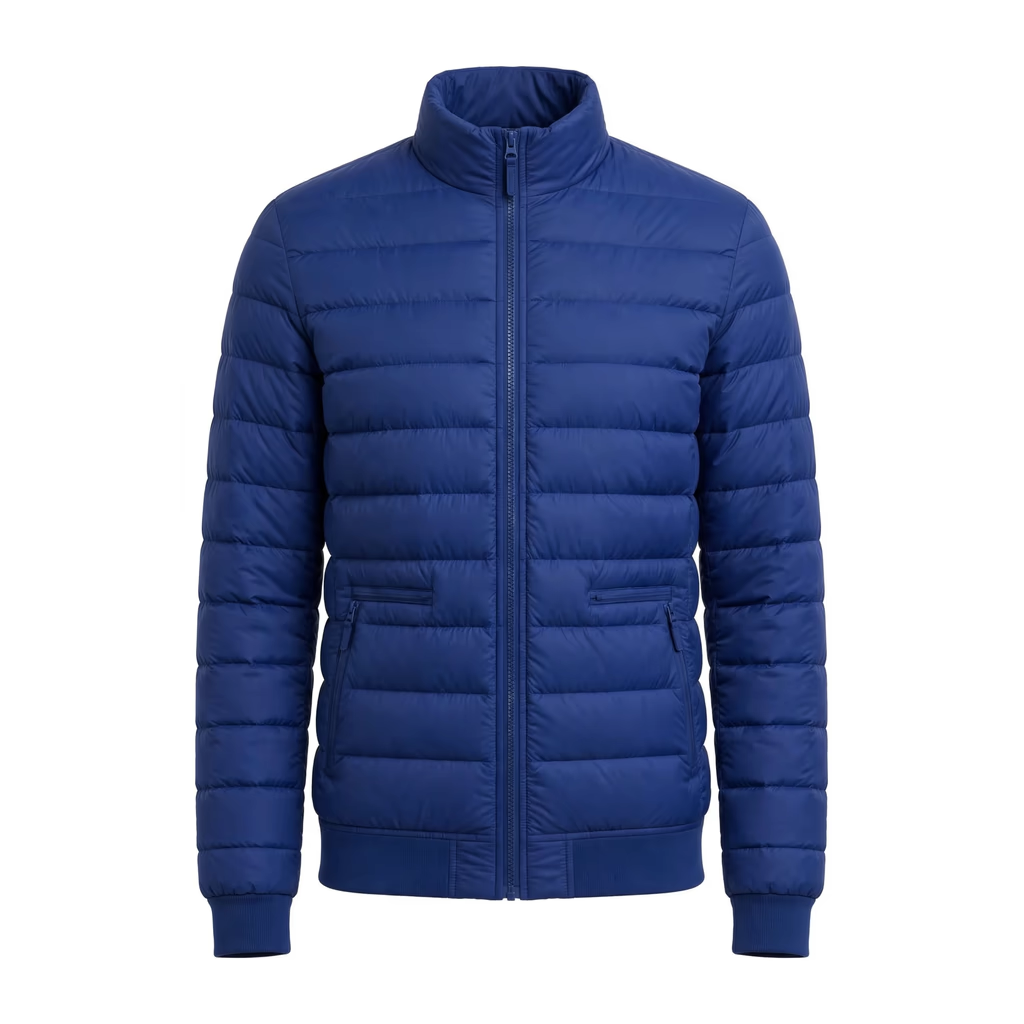
The range is deliberately different from our stand collar puffer programme. Buyers who want a collar-led build can see that jacket on our mens padded winter jacket manufacturer in Bangladesh page, while this hooded build serves ranges where head and neck cover is part of the offer. Both programmes sit inside our wider mens apparel manufacturer and supplier work, so a buyer can place jackets alongside other menswear lines in one order plan.
Buyers with their own colour plan can send a swatch or a Pantone reference at the sample stage. Shell dyeing is matched before bulk cutting begins, and the zip, drawstring and thread are matched to the approved shell, never substituted during sewing.
Your Label, Your Packing, Export Cartons
Every jacket carries the buyer's own woven neck label, as the close-up photograph on this page shows with a sample label in place. Care labels, size labels and hang tags follow the buyer's artwork, and the label position is set on the approved sample so it reads the same way in every carton.
Padded jackets take space, so cartons are packed to hold shape without crushing the fill, with each jacket folded flat and bagged. Carton marks carry the buyer's references, colour and size breakdowns are packed as briefed, and the packing list is checked against the cartons before they leave.
What Buyers Check Before Placing a Winter Order
Experienced buyers test a winter jacket in a set order. They weigh it, work the zip with gloves on, pull the hood up and turn their head, and press along each seam to feel for thin baffles. They hang the jacket overnight after unpacking to see how the fill recovers, and they measure the size set against their own chart.
We welcome that level of checking, and samples are sewn to survive it. A winter jackets supplier in Bangladesh earns a second season only when the first season's jackets are still being worn, so the sample stage is treated as the start of a programme, not a one-off sale.
Made by a Winter Jackets Manufacturer in Bangladesh
Shadanatex Bangladesh sews this range in its own winter jackets factory in Bangladesh; buyers visiting winter jackets factories in Bangladesh see cutting, sewing, filling and packing on one floor. As a winter jackets exporter in Bangladesh we ship cold-season orders, with wholesale winter jackets programmes for importers in Germany, the Netherlands, Canada, the United States and Norway.
Questions Buyers Ask About This Jacket
What warmth level is the jacket in the photographs?
The photographed jacket is the core winter build, with a medium fill suited to regular frost and cold wind. The same pattern is sewn at a lighter fill for mild winter markets and a heavier fill for deep winter districts, and the level is chosen and tested at the sample stage.
When should we start sampling for an October delivery?
Sampling in January to March gives the calmest path, with bulk orders placed from April to June and cartons shipping from August. Later starts are possible, but they narrow the freight options, so send your target date early and we will work the schedule back from it.
Can the hood be removed or changed?
Yes. The standard hood is fixed with a drawstring. A detachable hood on a zip or press studs, or a packed-away hood inside a storm collar, can be set at the sample stage and carried through the bulk exactly as approved.
Which sizes does the jacket come in?
The standard run covers small to extra extra large, graded to your own size chart. Extended sizes and added body length for very cold markets are set at the sample stage, and every colour is sewn from the same blocks.
Can we use our own colours and label?
Yes. Send a swatch or Pantone reference and your label artwork at the sample stage. The shell, zip and drawstring are matched to the approved colour, and your woven neck label is sewn in as the photographs show.
What is the minimum order quantity?
Quantities depend on the build, the fill weight and the colour split, so for the MOQ, consult with our team with your pattern and target date, and we will give a straight answer for that exact programme.
How do we start an order?
Send a sample, a tech pack or clear photographs with your target rail date through our contact page. We reply with sampling steps, a schedule worked back from your delivery window and the points we need settled before a sample is cut.