
Apparel Manufacturing
Mens Apparel Manufacturer Supplier From Bangladesh
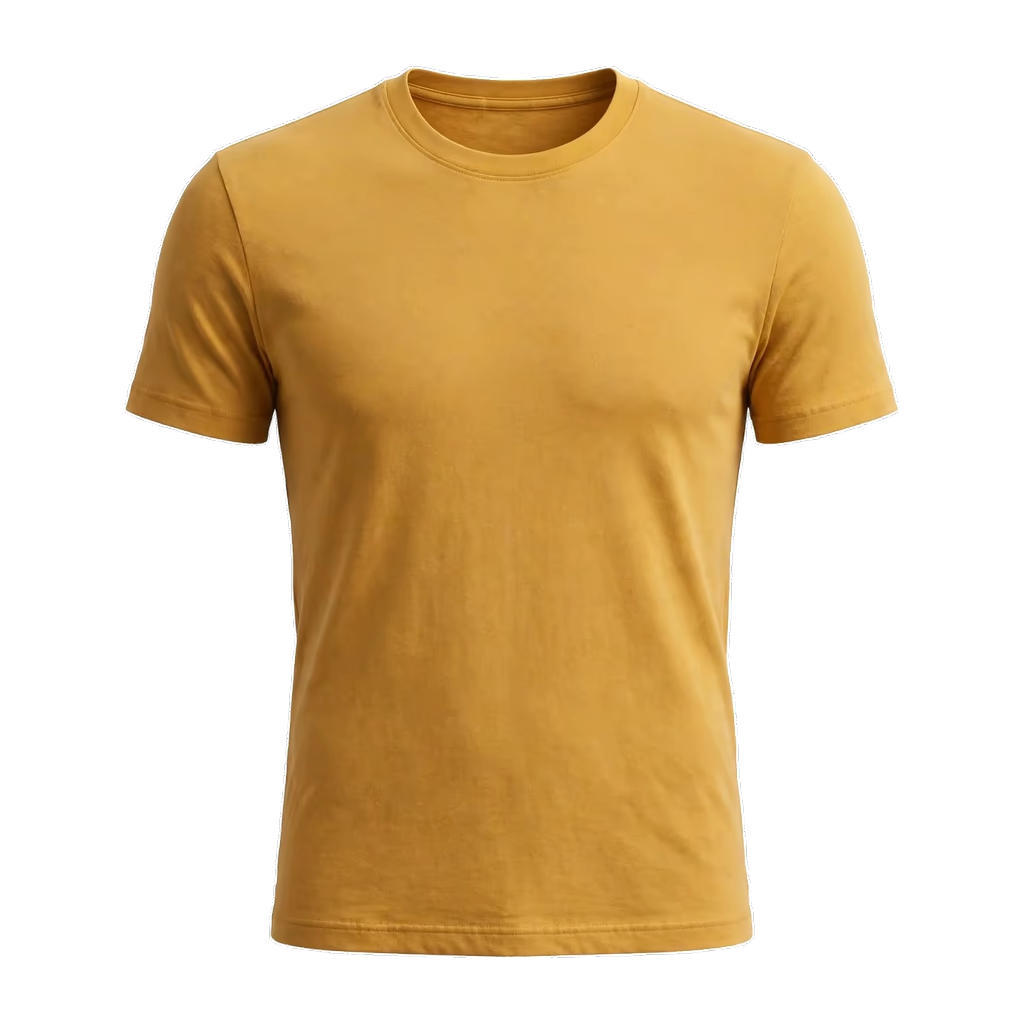
A men's range rarely lives on one garment, and buyers who source men's apparel from Bangladesh want one factory behind the rail. As a men's apparel manufacturer and supplier, we front this program with the garment every range starts from: a plain mustard crew-neck T-shirt in soft single jersey. Behind the tee sits the wider program - polo shirts, woven shirts, denim and fleece pieces cut and sewn on the same floor, to the same order file, under your label.
Materials: Soft plain single jersey with a fine knit that reads as real cloth and holds its tone across repeat orders. The lead tee is sewn in mustard, dusty blue, white, grey and burgundy.
Functionality: A narrow self-fabric crew band keeps the neckline round, set-in sleeves sit flat on the shoulder, and side seams hold the body square for print, embroidery or a plain finish.
Size: Adult sizes S to XXL in a standard regular fit, graded steadily through the run, or cut to your own size chart where your market measures differently.
Customization: Your woven label sewn in at the neck, your choice of print, embroidery or plain finish on each garment type, with your folding, polybag and carton standard applied in the factory.
Simply The Best
PORTFOLIOS
Product Details
Mens Apparel Manufacturer Supplier From Bangladesh
Mens Apparel Manufacturer in Bangladesh for Full Ranges
Buyers who source a whole men's range in one place work with our mens apparel manufacturer in Bangladesh programme. It covers crew t-shirts, polo shirts, hoodies, sweatshirts and knitwear basics. Each style is sewn to order from your tech pack. The lead picture shows a mustard crew neck t-shirt from the current range. One factory programme for the full basket keeps fabrics and sizing consistent across styles.
Every mens apparel order starts with samples in your sizes. Fit, fabric weight and trim quality are approved in writing before bulk production begins.
- Tees, polos, fleece and knitwear basics
- One colour palette across styles
- One size chart for the full range
One Factory Behind a Whole Men's Range
A menswear label is a rail, not a single shirt. The buyer planning a season needs tees for the core, polos for the smarter end, woven shirts and denim below them, and something warmer when the range turns to colder months. Sourcing each piece from a different maker means four size charts and four shade standards. This page exists for the buyer who would rather brief one men's apparel manufacturer in Bangladesh and hold one factory to one standard across the full range. The mustard crew tee pictured here fronts the program because it is where most ranges begin, but the order behind it can carry the whole rail.
The Mustard Crew Tee That Fronts the Program
The lead garment is a plain men's crew-neck T-shirt, and plain is the point. The neck is a narrow self-fabric band cut from the same jersey as the body, so it ages at the same rate and stays round instead of sagging open. The sleeves are set in with an even stitch, the shoulders are taped from the inside, and the body is side-seamed so the shirt hangs square and does not twist in the wash. The hem is a flat stitched hem, level all the way round. The chest and back stay flat and clean - plain ground for print or embroidery, or a quiet plain finish where the label sells on fit and cloth alone.
Polo Shirts Sewn on the Same Floor
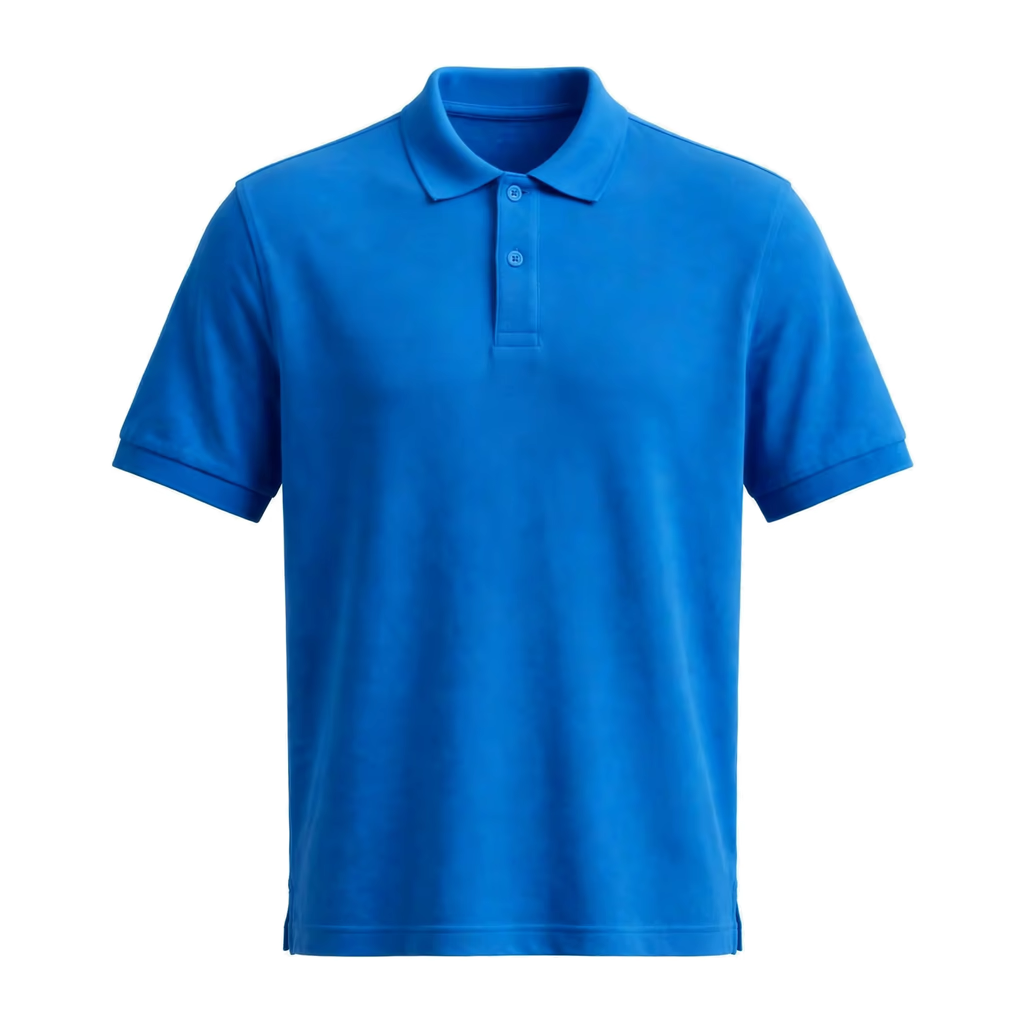
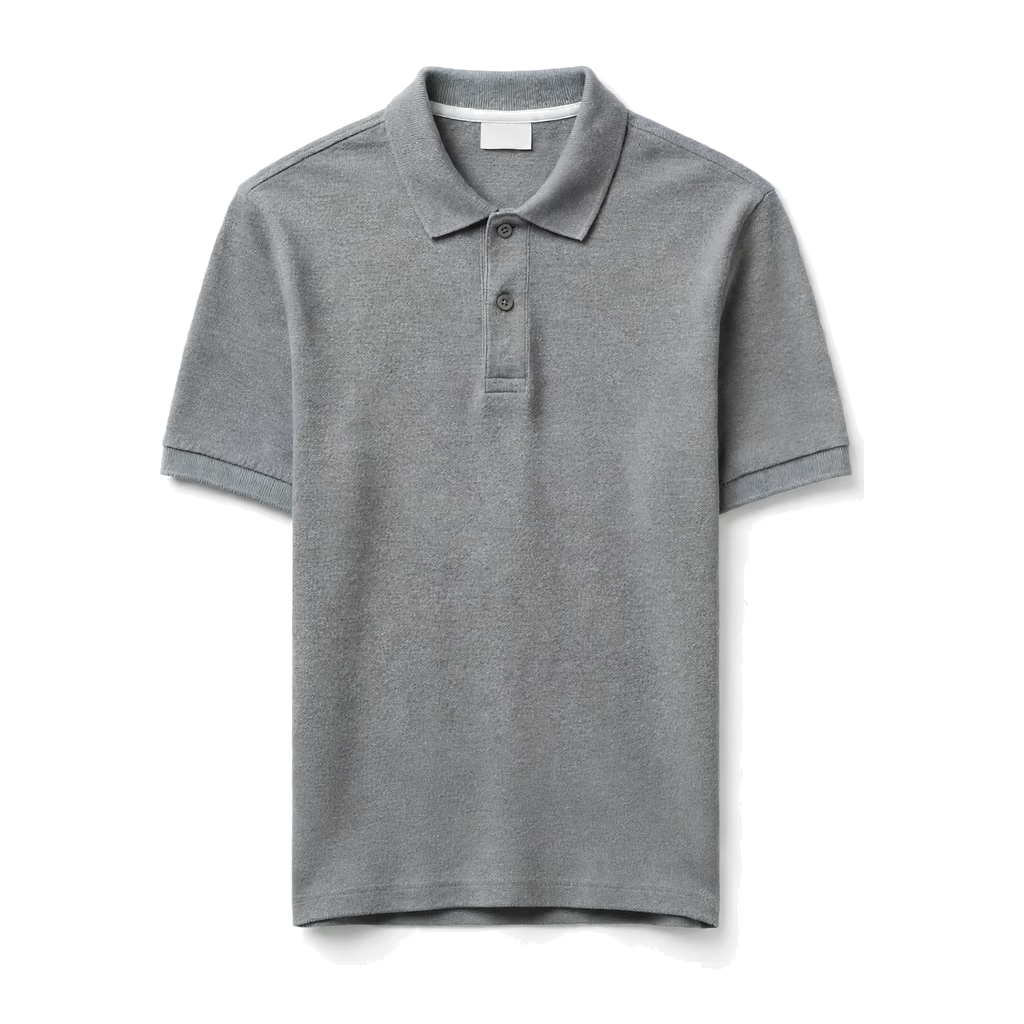
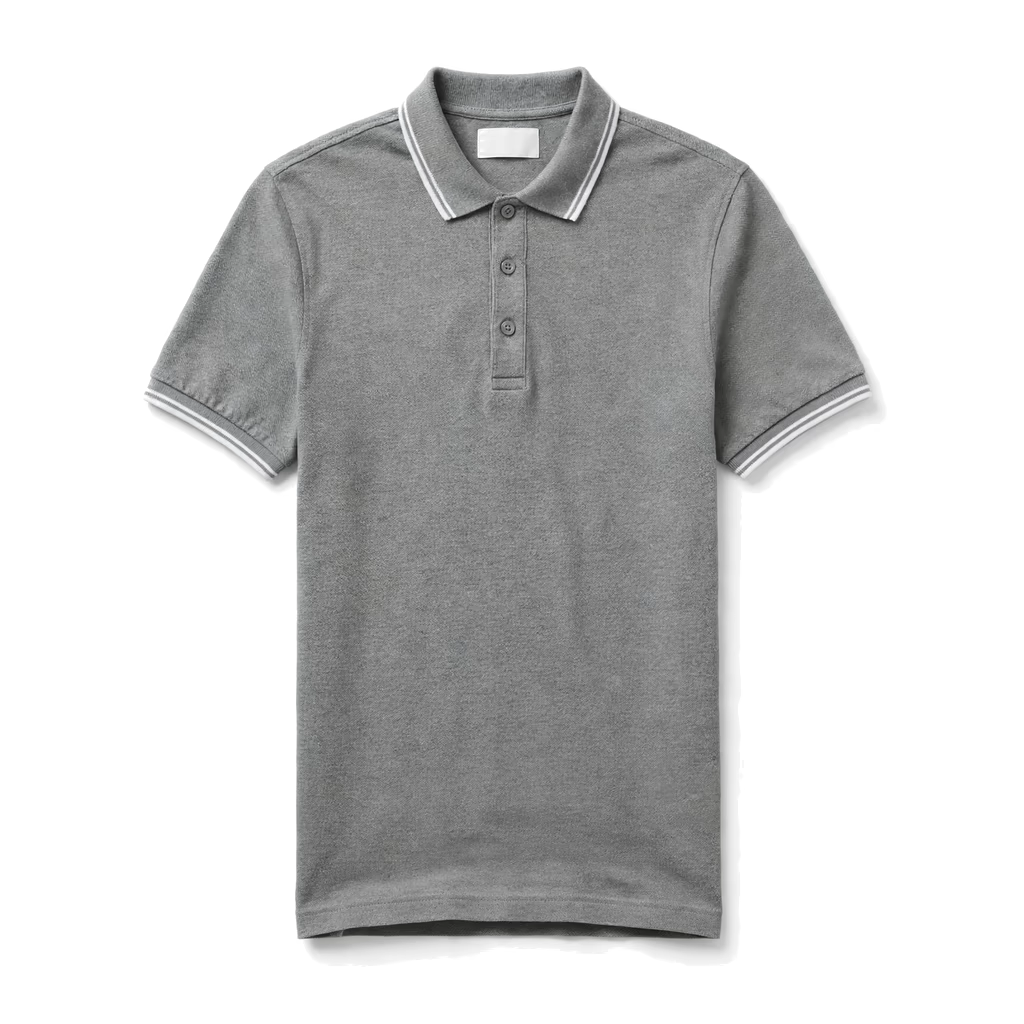
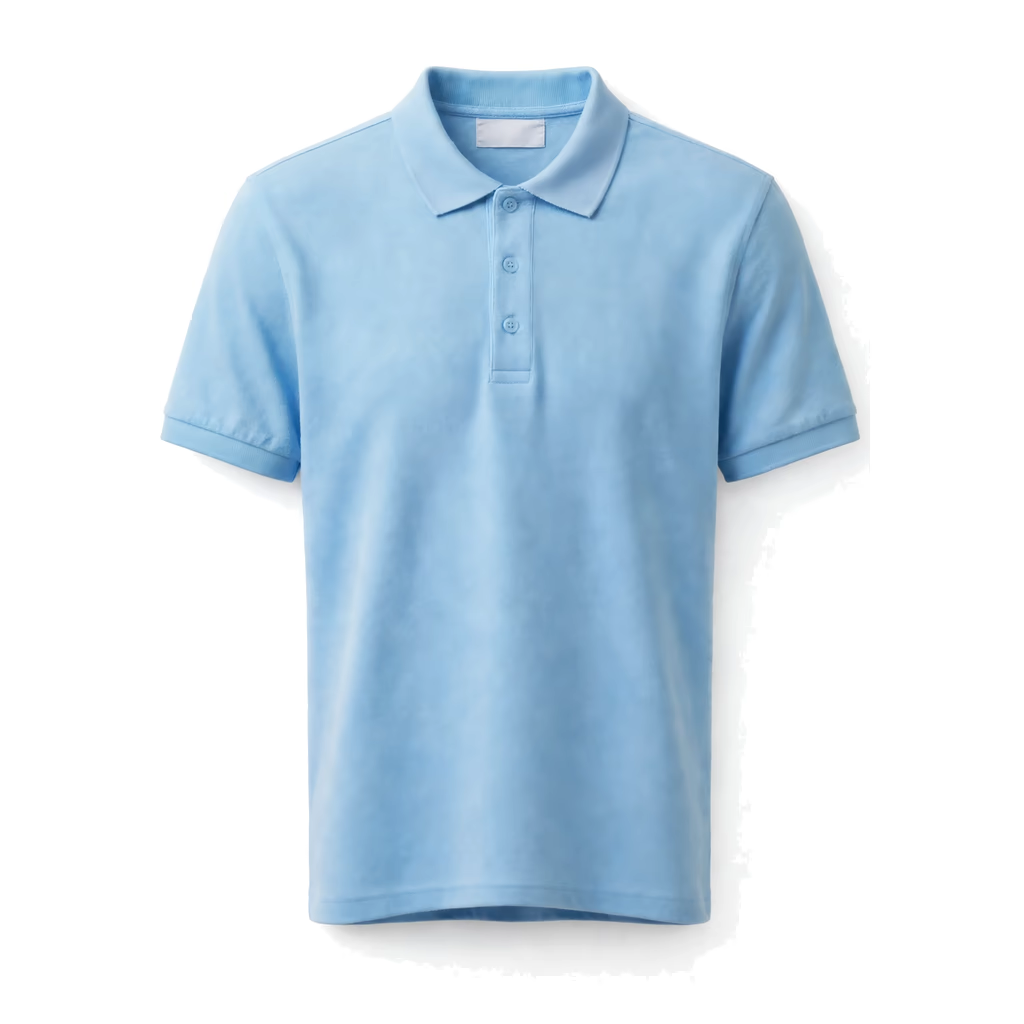
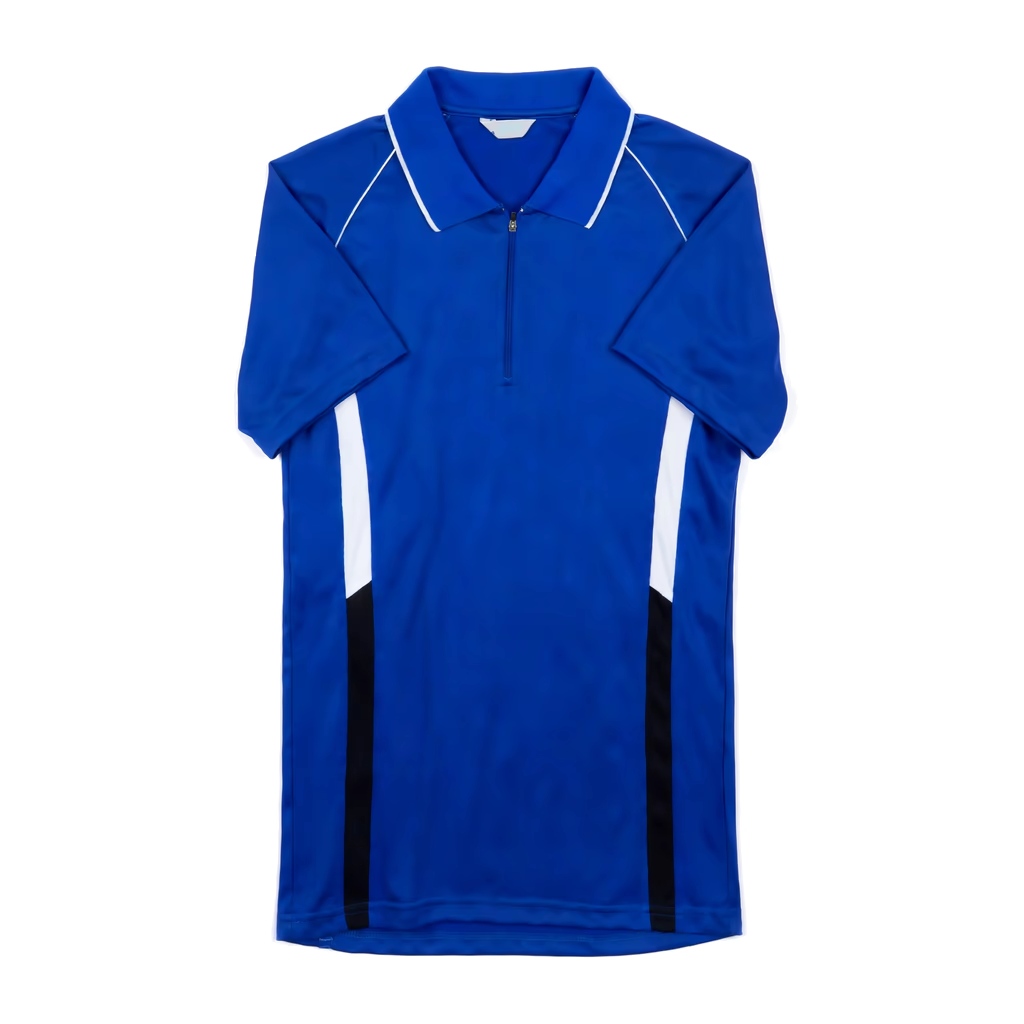
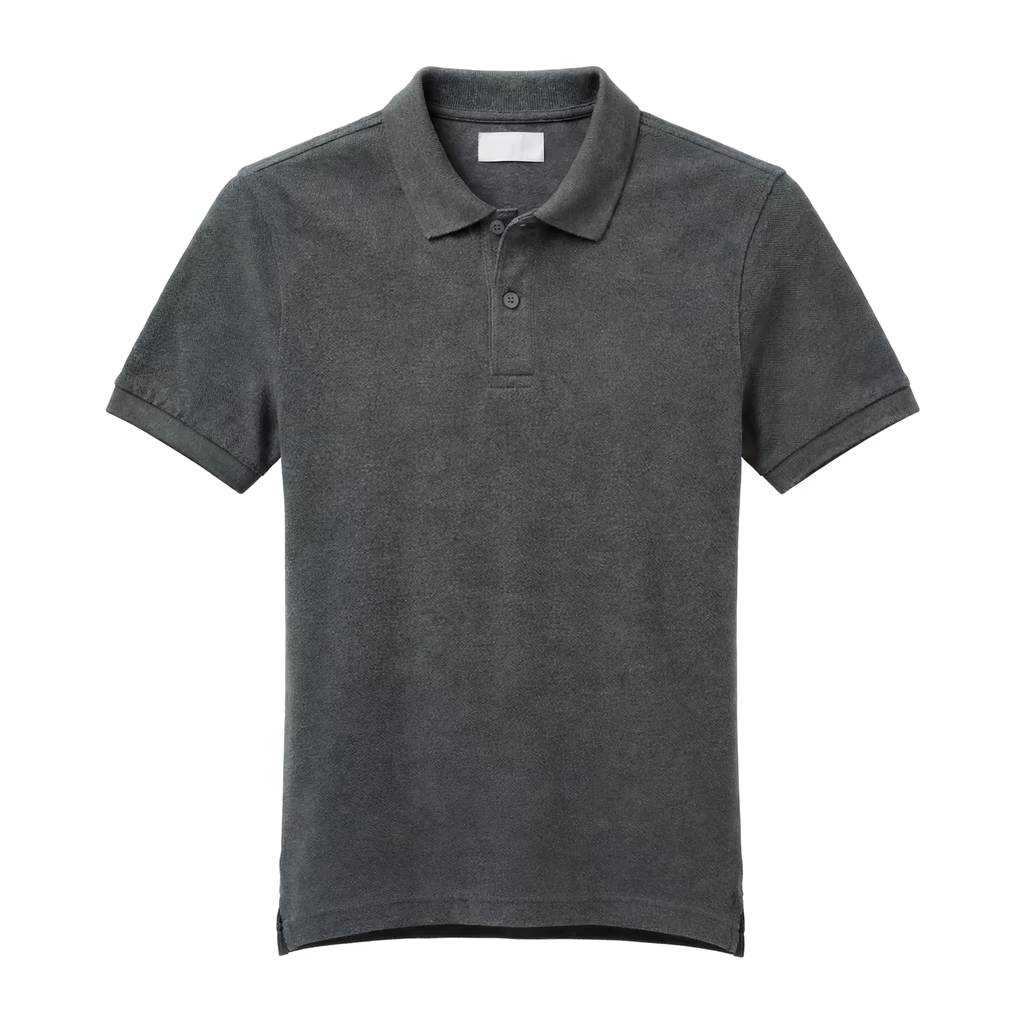
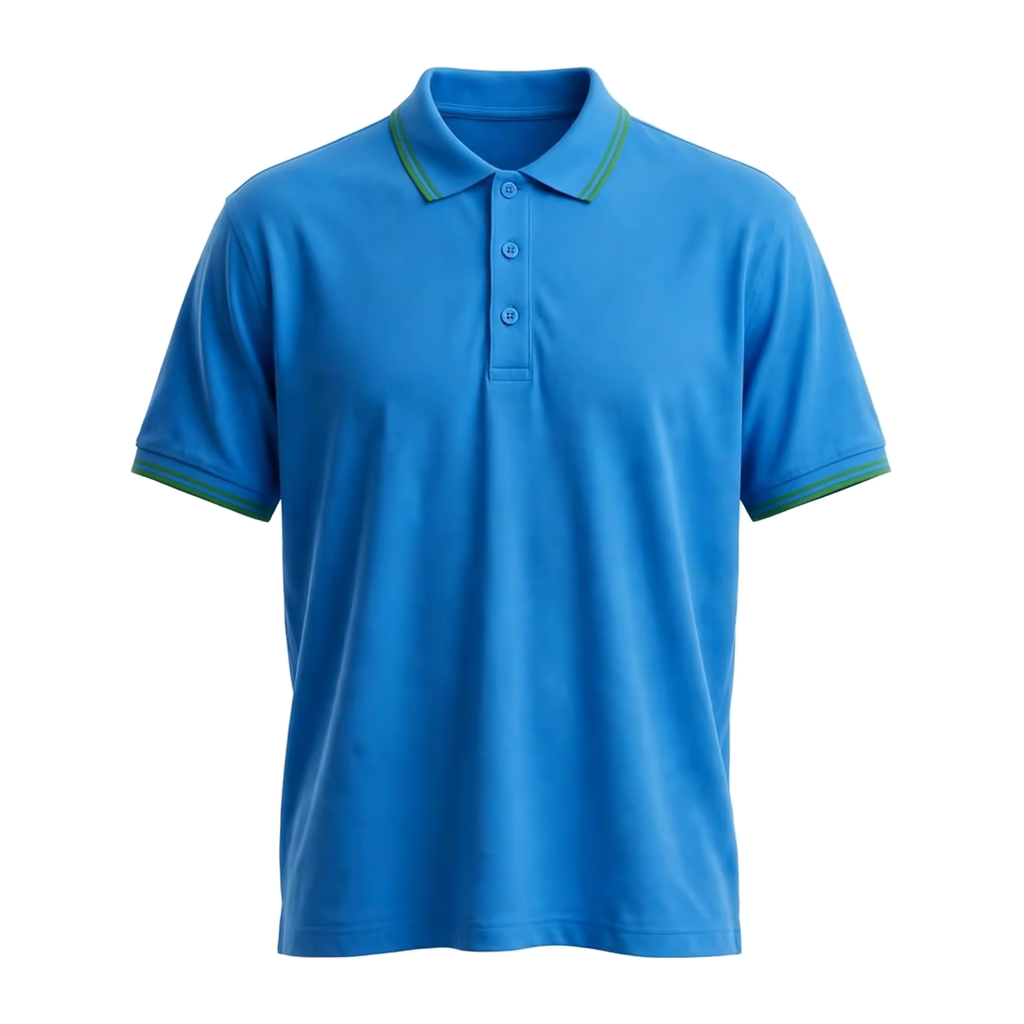
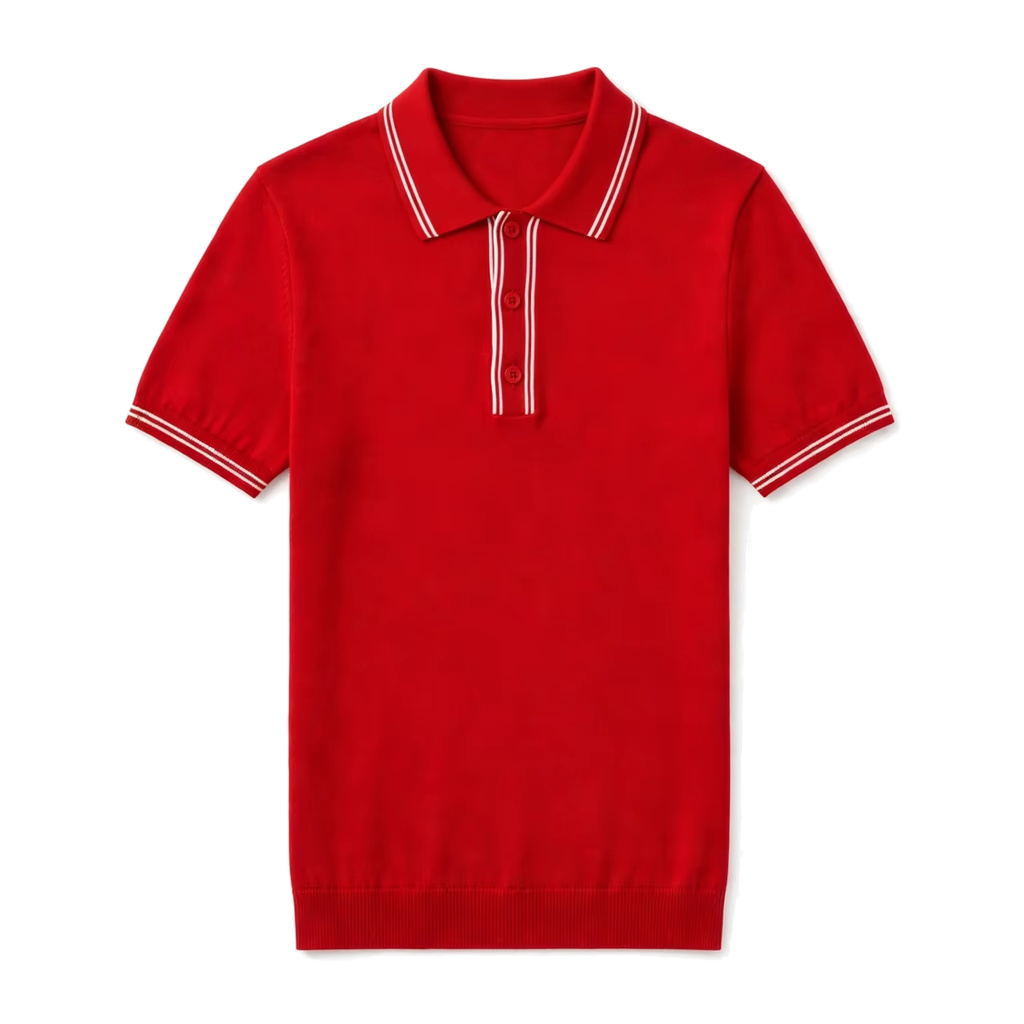
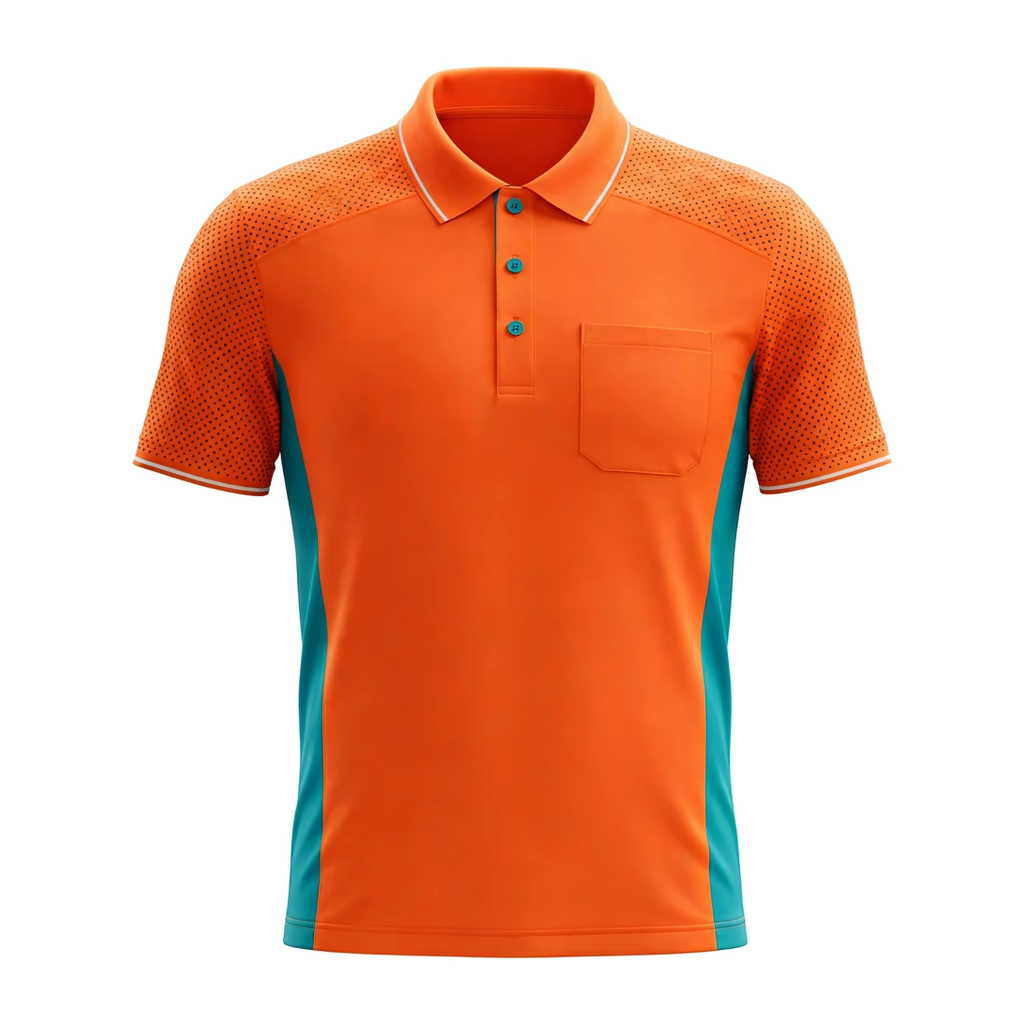
Where a range steps up from tees, the polo is usually the next piece, and it is sewn here under the same order. Buyers set the collar style, the placket and button count, the sleeve finish and the fabric hand they want, and the piece is made to that brief rather than pulled from a fixed house pattern. Because polos run through the same lines as the tees, grading, shade discipline and packing stay consistent across both garment types, and a polo order sits inside a tee order without becoming a second sourcing problem.
Woven Shirts and Denim Under the Same Order File
A men's range with nothing woven in it reads thin, so the program also covers woven shirts and denim as made-to-order pieces. Woven shirts are cut to the buyer's pattern and brief - collar shape, cuff, pocket or plain front, and the check, stripe or plain cloth the season calls for. Denim pieces follow the same route: wash, fit block and finishing are set in the order file before cutting starts. Both lines are planned into the same production calendar as the knit pieces, so a mixed range is scheduled as one range.
Fleece Pieces for the Colder Half of the Range
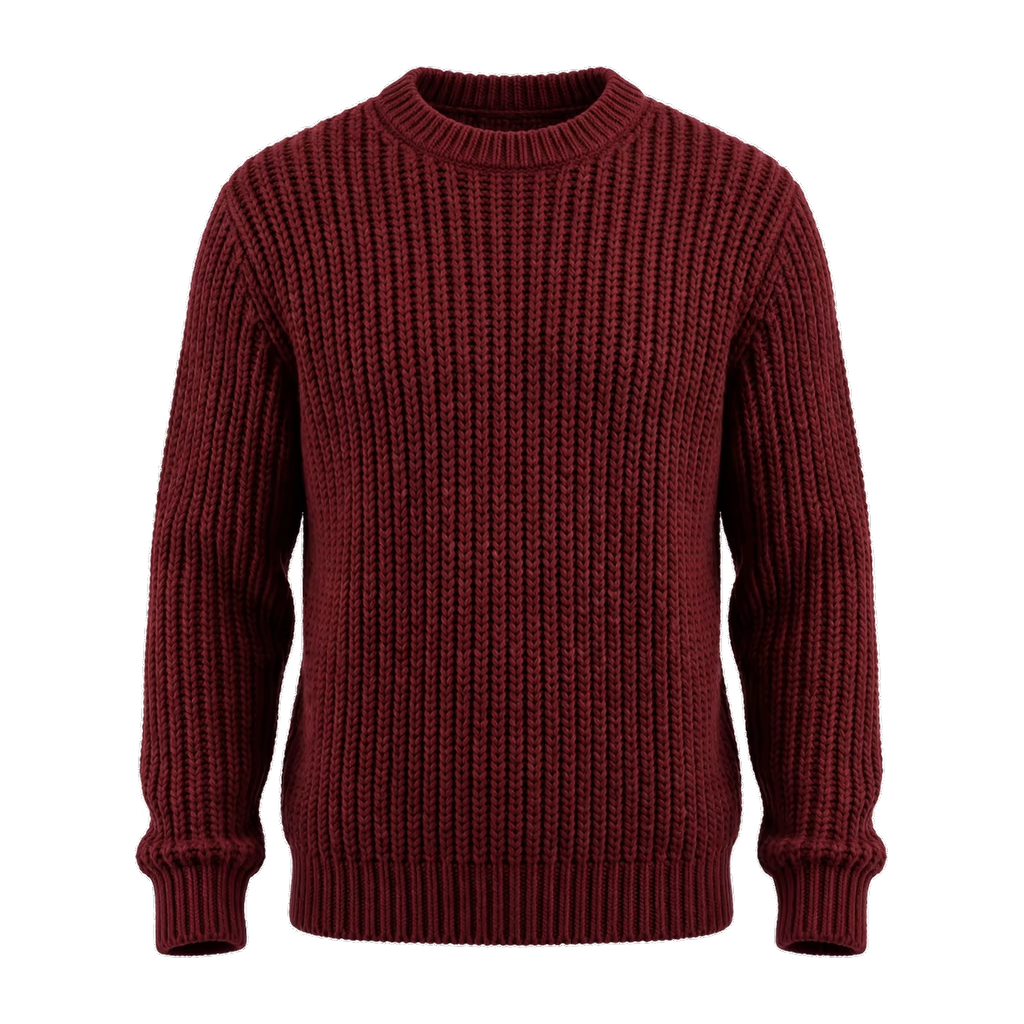
When the rail turns toward colder months, fleece carries the weight that jersey cannot. Sweatshirts and fleece tops are sewn to order in the fits the buyer sets - crew, hooded or zipped - with ribbed cuffs and hems where the garment type calls for them, brushed or unbrushed faces, and the same label, grading and packing as the lighter pieces. A buyer can build the warm half of a season with the factory that sewed the summer half, keeping the range's fit, finish and cartons recognisably one label's work.
Five Colourways on the Lead Tee
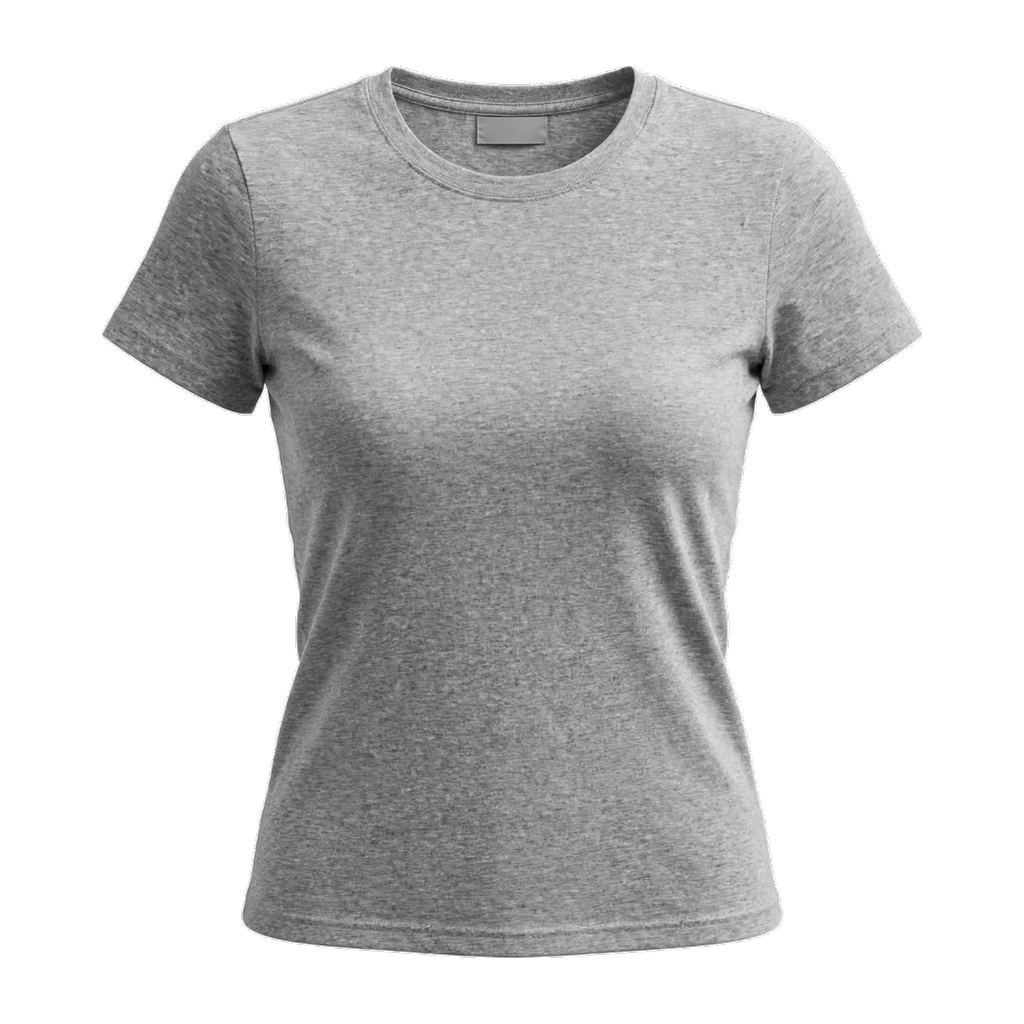
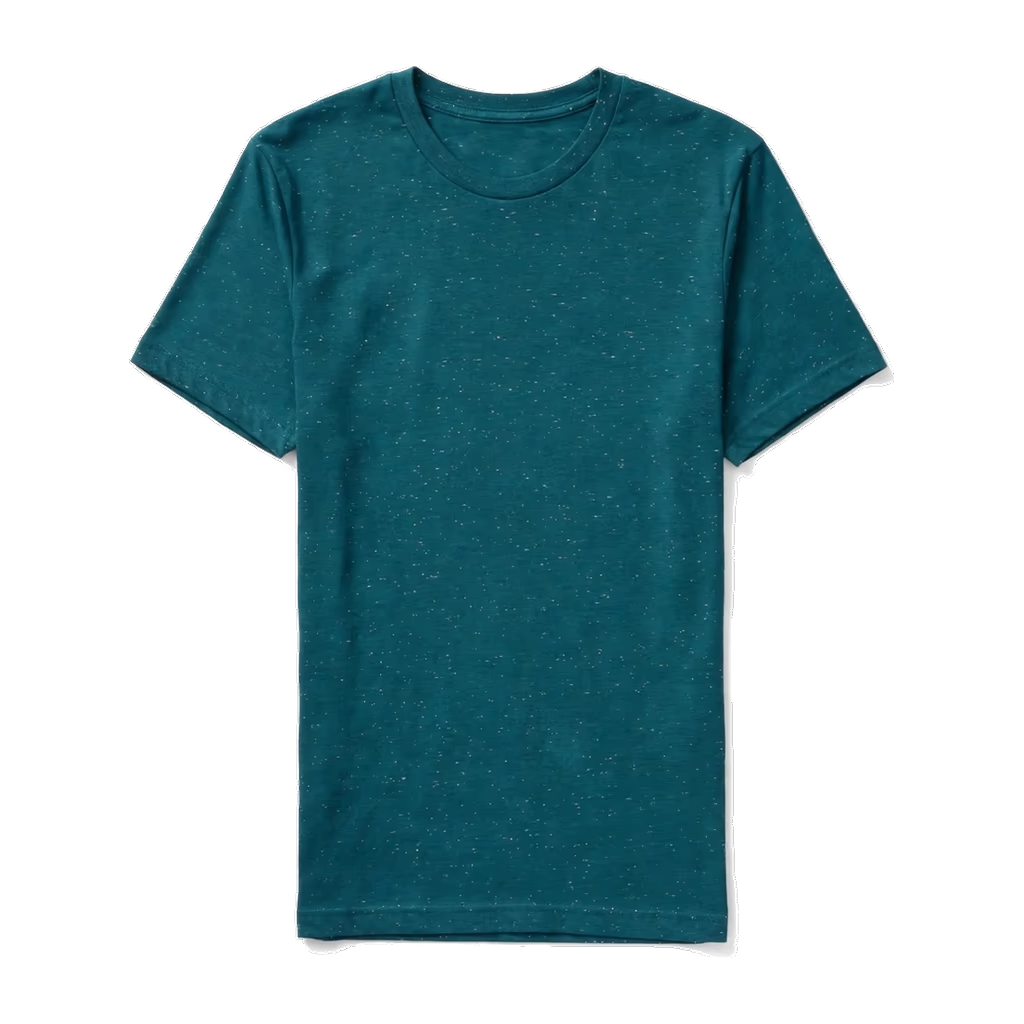
The tee that fronts this program is pictured in the five colours the range opens with. Mustard leads: a warm, honest tone that carries a core range and photographs truthfully. Dusty blue sits beside it for the quieter half of a rail, white covers print work and merch runs, grey pairs with everything below it, and burgundy gives the range its deeper note for colder months. Every colourway is the same garment underneath - same pattern, same band, same seams. The colour stories of the polos, shirts and denim in a wider order are set garment by garment in the order file, so each piece can follow the lead tee or strike its own note.
How a Multi-Garment Order Moves Through Production
An order starts with the range plan: which garment types, which colours on each, the size run, the label and the packing standard. Each garment type gets its own brief inside one order file, so the polo's collar and the denim's wash are settled with the same care as the tee's band. Cloth for every piece is prepared to the agreed specification, cut to the shared chart and sewn piece by piece, with your labels fitted at the neck during production. Finished garments are checked for measurements, stitching and shade, then folded, bagged and cartoned to your standard, so the cartons reach your warehouse as one delivery from one maker.
Where Our Men's Ranges Are Worn
United States: Core Rails for Print and Merch Labels
American buyers often build the range around the tee first, then widen it. Print houses and merch labels order the lead crew in mustard and white, add polos once the core sells, and keep one factory answerable for shade match between rails.
United Kingdom: Independent Labels Growing Season by Season
British independent labels tend to add one garment type at a time - tees one season, woven shirts the next - and need the new piece's fit and finish to sit naturally beside the old. One order file that grows with the label keeps that handwriting steady.
Germany: Buyers Who Specify Before They Order
German buyers arrive with the construction written down: band width, seam type, grading steps, wash behaviour. A multi-garment program answers that habit well - every garment type carries its own written brief, checked piece by piece before cartons close.
Canada: Team and Workwear Ranges in Mixed Garments
Canadian team and workwear buyers mix garments inside one program - tees for training, polos for presentation, fleece for the cold months - and take the whole set under one program name inside the neck, packed for a single delivery.
Australia: Light Rails for a Long Warm Season
Australian labels plan around warmth, so the tee and the woven shirt carry most of the year and fleece appears only in the short cold stretch. The five lead colours cover that rail, with white, dusty blue and mustard doing the heavy summer work.
Questions Buyers Ask About Full-Range Orders
Can one order cover tees, polos, shirts and denim together?
Yes. Each garment type carries its own brief inside one order file, production is planned as a single range, and the pieces are packed to one standard, so the delivery arrives as one program rather than four purchases.
Does every garment in the range follow one size chart?
It can. Most buyers grade the whole range from one chart, so a customer who wears one size in the tee wears it in the polo and the shirt too. Where a garment type needs its own block, that is written into its brief instead.
Can each garment type carry its own colours?
Yes. Colour is set garment by garment in the order file. The tee may run in the five pictured colourways while the polo strikes two of them and the denim follows its own wash story - the discipline is in the checking, not in one forced palette.
How are mixed ranges packed for shipping?
To your standard, agreed before production. Cartons can be packed by garment type, by colour or as mixed range cartons, each with your markings, so your warehouse can book the delivery in without re-sorting it first.
Can a program start with tees and add woven pieces later?
Yes, and many do. The order file holds the range plan, so a woven shirt or fleece piece added next season is briefed against the same chart, label placement and packing standard as the tees already selling.
Building a Mens Apparel Range From One Programme
A mens apparel range usually mixes price levels. Core tees carry the volume, while polos and fleece carry the margin. Our mens apparel manufacturer in Bangladesh team plans the range as one production calendar. Shared fabrics across styles can lower your total cost per unit. For the minimum order quantity per style, consult with our team.
Range planning usually covers these decisions first:
- Core styles - crew tees, V-neck tees and basic polos
- Seasonal styles - hoodies, sweatshirts and knitted pullovers
- A shared colour palette across the full range
- One size chart and one label set for every style
- Mixed packing plans for stores, online or wholesale
Start with the mens apparel hub for the full style list, or go straight to the polo shirt range if polos lead your season. Quotes and sampling requests run through the contact page. The programme keeps one approval file per style, so reorders stay simple.
Export markets set their own labelling and fibre rules. The BGMEA publishes guidance for Bangladesh garment exporters, and our paperwork follows the same framework. Your cartons leave with the documents your customs broker expects.
To open a programme, send:
- Your style list for the season
- Size charts and colour palette
- Label and packing requirements